(HealthDay News) -- Here are the latest clinical trials, courtesy of Thomson CenterWatch:
Acute Myelogenous Leukemia (AML)
A clinical trial is seeking subjects with acute myelogenous leukemia (AML) in either first complete remission with poor prognostic features or second complete remission to participate in a clinical study to test an experimental drug.
Those who qualify for this study should be at least 18-years-old who have not received a marrow, blood, cord blood transplant, or solid organ transplant and who are not taking corticosteroids at doses equivalent to or greater than 10 mg/day of prednisone.
The research site is in New York City.
More information
Please see http://www.centerwatch.com/patient/studies/cat660.html.
-----
Heart Attack (Myocardial Infarction) or Obesity
People with a serious heart condition are asked to participate in this research study.
Successful candidates should be at least 55-years-old, male and have a waistline of over 40 inches or female and have a waistline of over 35 inches, and have had at least one significant heart condition including -- but not limited to -- heart attack, chest pain, peripheral artery disease (PAD), type 2 diabetes, high cholesterol.
You may not participate in this study if you have had weight loss surgery (stomach stapling, etc.) within the past 6 months or participated in a research trial involving the study drug rimonabant.
The research site is in the Bronx, New York.
More information
Please see http://www.centerwatch.com/patient/studies/cat463.html or http://www.centerwatch.com/patient/studies/cat107.html.
-----
Osteoarthritis
If you have osteoarthritis (OA) pain of the knee or hip, you may be eligible for a research study of an investigational pain medication.
Volunteers between the ages of 21 and 80 who are currently taking pain medication for osteoarthritis may be eligible for this study. Qualified participants may receive investigational study medication, study-related physical exams and lab tests, and compensation for time and travel.
Research sites are located throughout the United States.
More information
Please see http://www.centerwatch.com/patient/studies/cat109.html.
-----
Copyright 2006 Thomson CenterWatch. All rights reserved.
Last reviewed: 07/21/2006 Last updated: 07/21/2006
Sabtu, 22 Juli 2006
Nicotine May Help Spur Lung Cancer
FRIDAY, July 21 (HealthDay News) -- While the nicotine in tobacco and in nicotine-replacement patches and gums doesn't cause lung cancer, it may help it along, a new study finds.
"Nicotine can promote the growth of new blood vessels and new cells -- two things that are correlated with the progression of cancer -- and our study shows how this actually happens," said study co-author Srikumar P. Chellappan, an associate professor in the Drug Discovery Program with the H. Lee Moffitt Cancer Center and Research Institute at the University of South Florida, in Tampa.
The finding raises questions about the use by lung cancer patients of nicotine-containing interventions aimed at helping smokers quit, such as popular patches and gums.
Chellappan's team identified a key binding process taking place between nicotine and receptors found on cells lining the lung's air passages, and in lung cancer cells themselves. The bond between nicotine and these receptors provokes further lung cancer cell proliferation, the researchers report in the August issue of the Journal of Clinical Investigation.
The Florida group conducted their lab work on cancer cells taken from patients afflicted with non-small cell lung cancer (NSCLS).
According to the American Cancer Society, lung cancer accounts for 13 percent of all new cancers and is the leading cancer killer of American men and women. Non-small cell cancers comprise 85 percent of the nearly 175,000 new cases of lung cancer diagnosed in the United States each year.
But while tobacco smoke is the direct cause of eight out of 10 lung malignancies, nicotine -- the addictive chemical in tobacco -- does not have cancer-causing properties. The role, if any, of nicotine in lung cancer has long been the subject of debate.
In previous work, Chellapan found that nicotine exposure among lung cancer patients did appear to undermine chemotherapy's effectiveness in killing off cancer cells. Because so many patients use nicotine patches or gums to help them quit, this raise the troubling notion that these interventions might actually help encourage the disease.
In this study, Chellappan's focused on NSCLS cells and adjacent cells from the lung's air passages also known as bronchial cells. They exposed both cell types to nicotine in the test tube. The amount of nicotine used was the equivalent to what would typically be present in the bloodstream of a patient who smokes one pack of cigarettes a day.
In addition to binding with what are known as nicotinic acetylcholine receptors, the nicotine appeared to help create signaling pathways that promoted the cancer cell growth cycle. This growth activated and recruited other cell machinery known to stimulate tumor growth.
The researchers concluded that, in the test-tube setting, nicotine appears to go beyond simply protecting cancer cells as had been previously observed. Instead, it appears to promote cancer-cell proliferation and tumor progression.
"We found that a normal amount of nicotine that is typically present in the blood of smokers can really induce a proliferation of cancer cells, and we have identified some proteins in the cell that facilitate this proliferation," said Chellappan.
"So, smokers should be staying away from all products that contain nicotine," he cautioned. "Not just cigarettes -- anything. I can not say that this is just about smoking. This is about exposure to any nicotine. Even a patch to help quit smoking may not be the best idea."
Nevertheless, one expert is still on the fence when it comes to the risks and benefits for lung cancer patients in using nicotine-replacement therapies.
"You can't necessarily say whether nicotine-replacement therapy is a good or bad idea," said Dr. Norman H. Edelman, chief medical officer with the American Lung Association.
"My guess is that it's a good idea to engage in smoking cessation," he said. "Smoking cessation is a much healthier way to go rather than avoiding the nicotine in smoking-cessation therapies based on the theoretical risk shown in test tubes that nicotine can promote tumors."
Edelman emphasized, however, that the current study is "an important biologic finding" that will need to be followed up with research in animals and ultimately humans.
Two other major groups agreed. The U.S. National Cancer Institute's Web site states that "any potential risks of short-term use of nicotine-replacement therapy to stop smoking are far outweighed by the significant and known benefits that accrue to patients who stop smoking."
And the American Cancer Society's Web site notes that "numerous studies have shown that these products are safe and effective in helping smokers quit." Society experts also point out that the use of nicotine-replacement products, alongside in-person and phone counseling, can double a smoker's chances of successfully quitting.
More information
For more on cancer and nicotine, head to the U.S. National Cancer Institute.
Last reviewed: 07/21/2006 Last updated: 07/21/2006
"Nicotine can promote the growth of new blood vessels and new cells -- two things that are correlated with the progression of cancer -- and our study shows how this actually happens," said study co-author Srikumar P. Chellappan, an associate professor in the Drug Discovery Program with the H. Lee Moffitt Cancer Center and Research Institute at the University of South Florida, in Tampa.
The finding raises questions about the use by lung cancer patients of nicotine-containing interventions aimed at helping smokers quit, such as popular patches and gums.
Chellappan's team identified a key binding process taking place between nicotine and receptors found on cells lining the lung's air passages, and in lung cancer cells themselves. The bond between nicotine and these receptors provokes further lung cancer cell proliferation, the researchers report in the August issue of the Journal of Clinical Investigation.
The Florida group conducted their lab work on cancer cells taken from patients afflicted with non-small cell lung cancer (NSCLS).
According to the American Cancer Society, lung cancer accounts for 13 percent of all new cancers and is the leading cancer killer of American men and women. Non-small cell cancers comprise 85 percent of the nearly 175,000 new cases of lung cancer diagnosed in the United States each year.
But while tobacco smoke is the direct cause of eight out of 10 lung malignancies, nicotine -- the addictive chemical in tobacco -- does not have cancer-causing properties. The role, if any, of nicotine in lung cancer has long been the subject of debate.
In previous work, Chellapan found that nicotine exposure among lung cancer patients did appear to undermine chemotherapy's effectiveness in killing off cancer cells. Because so many patients use nicotine patches or gums to help them quit, this raise the troubling notion that these interventions might actually help encourage the disease.
In this study, Chellappan's focused on NSCLS cells and adjacent cells from the lung's air passages also known as bronchial cells. They exposed both cell types to nicotine in the test tube. The amount of nicotine used was the equivalent to what would typically be present in the bloodstream of a patient who smokes one pack of cigarettes a day.
In addition to binding with what are known as nicotinic acetylcholine receptors, the nicotine appeared to help create signaling pathways that promoted the cancer cell growth cycle. This growth activated and recruited other cell machinery known to stimulate tumor growth.
The researchers concluded that, in the test-tube setting, nicotine appears to go beyond simply protecting cancer cells as had been previously observed. Instead, it appears to promote cancer-cell proliferation and tumor progression.
"We found that a normal amount of nicotine that is typically present in the blood of smokers can really induce a proliferation of cancer cells, and we have identified some proteins in the cell that facilitate this proliferation," said Chellappan.
"So, smokers should be staying away from all products that contain nicotine," he cautioned. "Not just cigarettes -- anything. I can not say that this is just about smoking. This is about exposure to any nicotine. Even a patch to help quit smoking may not be the best idea."
Nevertheless, one expert is still on the fence when it comes to the risks and benefits for lung cancer patients in using nicotine-replacement therapies.
"You can't necessarily say whether nicotine-replacement therapy is a good or bad idea," said Dr. Norman H. Edelman, chief medical officer with the American Lung Association.
"My guess is that it's a good idea to engage in smoking cessation," he said. "Smoking cessation is a much healthier way to go rather than avoiding the nicotine in smoking-cessation therapies based on the theoretical risk shown in test tubes that nicotine can promote tumors."
Edelman emphasized, however, that the current study is "an important biologic finding" that will need to be followed up with research in animals and ultimately humans.
Two other major groups agreed. The U.S. National Cancer Institute's Web site states that "any potential risks of short-term use of nicotine-replacement therapy to stop smoking are far outweighed by the significant and known benefits that accrue to patients who stop smoking."
And the American Cancer Society's Web site notes that "numerous studies have shown that these products are safe and effective in helping smokers quit." Society experts also point out that the use of nicotine-replacement products, alongside in-person and phone counseling, can double a smoker's chances of successfully quitting.
More information
For more on cancer and nicotine, head to the U.S. National Cancer Institute.
Last reviewed: 07/21/2006 Last updated: 07/21/2006
Hyperactive Girls Can Often Become Unhealthy Women
FRIDAY, July 21 (HealthDay News) -- Hyperactive girls are more likely than other children to develop heart problems later in life, but researchers aren't sure there's a direct cause-and-effect link.
The Finnish study, which tracked 708 children into adulthood, also found that children who were hyperactive, socially isolated and had other problems dealing with people were more likely than other children to develop heart-damaging behaviors such as smoking as they became adults.
The study participants' emotional states were assessed when they were ages 3 to 9 in the early 1980s. Then, in 2001 and 2002, ultrasound was used to examine the health of the participants' arteries as young adults. They were also asked about their health habits, including smoking.
Those who as youngsters were hyperactive, isolated from other children and were most likely to display negative mood, low self-control and aggressive outbursts were more likely to smoke as adults, the study said. Girls who had those problems were also more likely to have high blood pressure and to be overweight as adults.
The study also found that all girls -- not just those diagnosed with a psychological problem -- who were more active than other children were more likely to show signs of clogged arteries as adults. This held true even when other factors were taken into account.
Stress, not hyperactivity itself, may be a major factor in all this, said researchers at the University of Helsinki. They speculated that hyperactive children may become stressed by constantly being told to not be so restless, not to be so noisy, "don't do this and don't do that."
The study was expected to be published in an upcoming issue of the journal Psychosomatic Medicine.
More information
The U.S. National Library of Medicine has more about hyperactivity.
The Finnish study, which tracked 708 children into adulthood, also found that children who were hyperactive, socially isolated and had other problems dealing with people were more likely than other children to develop heart-damaging behaviors such as smoking as they became adults.
The study participants' emotional states were assessed when they were ages 3 to 9 in the early 1980s. Then, in 2001 and 2002, ultrasound was used to examine the health of the participants' arteries as young adults. They were also asked about their health habits, including smoking.
Those who as youngsters were hyperactive, isolated from other children and were most likely to display negative mood, low self-control and aggressive outbursts were more likely to smoke as adults, the study said. Girls who had those problems were also more likely to have high blood pressure and to be overweight as adults.
The study also found that all girls -- not just those diagnosed with a psychological problem -- who were more active than other children were more likely to show signs of clogged arteries as adults. This held true even when other factors were taken into account.
Stress, not hyperactivity itself, may be a major factor in all this, said researchers at the University of Helsinki. They speculated that hyperactive children may become stressed by constantly being told to not be so restless, not to be so noisy, "don't do this and don't do that."
The study was expected to be published in an upcoming issue of the journal Psychosomatic Medicine.
More information
The U.S. National Library of Medicine has more about hyperactivity.
High-Sugar, Low-Caffeine 'Energy' Drinks Don't Work
FRIDAY, July 21 (HealthDay News) -- People who think sugary drinks are a pick-me-up may be in for a letdown: New research finds sweetened beverages actually boost sleepiness.
"People wishing to alleviate sleepiness through the consumption of a high-sugar, low-caffeine content energy drink -- erroneously believing the 'sugar rush' to be effective -- should avoid drinks that have little or no caffeine," said study co-author Clare Anderson, from the Sleep Research Centre at Loughborough University in the United Kingdom.
"It is caffeine that is particularly effective for alleviating sleepiness, not sugar," she added.
Anderson and her colleague Jim Horne found that, one hour after drinking a high-sugar, low-caffeine drink, people had slower reaction times and experienced more lapses in concentration than if they had consumed a caffeine- and sugar-free beverage.
They reported the findings in the July online edition of Human Psychopharmacology: Clinical and Experimental.
As Anderson explained, "Many soft drinks contain large amounts of sugar, and previous findings had indicated that such large amounts may improve cognitive performance. However, these effects were almost immediate."
The real question, for Anderson, was whether that quick boost had any longer-term effect beyond the first 15 minutes after the so-called sugar rush disappeared.
To help answer that, she and Horne had 10 healthy adults restrict their sleep to just five hours on the day prior to the trial. Then, 60 minutes after eating a light lunch, these healthy adults were given either a high-sugar, low-caffeine energy drink (42 grams of sugar plus 30 milligrams caffeine) or an identically tasting zero-sugar drink used as a placebo. Forty-two grams of sugar is equal to about 8 teaspoons, Anderson said.
The participants were next asked to complete a 90-minute test during the afternoon low-energy period. The test assessed their level of sleepiness and ability to concentrate.
"Around 70 minutes after consumption, there was a worsening of sleepiness --delayed reaction time, increased lapses in attention -- following the consumption of a high-sugar drink, in comparison to a placebo," Anderson said.
Her conclusion: Highly-sugared drinks without caffeine do not counteract sleepiness beyond perhaps a short sugar rush. In fact, they appear to boost drowsiness.
"These drinks are of little benefit to sleepy people," Anderson said. "Caffeinated drinks, even sugary ones, are much better for counteracting detrimental effects of sleepiness."
One nutrition expert agreed that sugar won't help push energy levels past the initial minutes-long sugar rush, and even caffeine won't help you stay awake beyond a few hours.
"Energy drinks are a misnomer," said Lona Sandon, an assistant professor of clinical nutrition at the University of Texas Southwestern Medical Center at Dallas and spokeswoman for the American Dietetic Association. "Sure, they provide energy in the form of calories, usually from some form of a simple sugar," she added.
Sandon explained that simple sugars are digested, absorbed and metabolized very quickly, so the energy they contain doesn't last long. "Some energy drinks may have just enough caffeine to stimulate your central nervous system and give you a false sense of feeling energized for a short period of time," Sandon said. "Keep in mind, a dose of caffeine large enough to have an energizing effect -- about 1 regular soda or cup of coffee -- will only last about 3 hours."
According to the Texas expert, there is a more lasting and healthy means of staying fresh: good sleep and a healthful diet.
"To improve a feeling of having energy, start by getting plenty of rest, fluids, and fuel your body with quality nutrients from fresh fruits, vegetables, whole grains and lean protein sources," Sandon said. "A balanced diet, including carbohydrate, fat, and protein, will keep you feeling satisfied longer."
More information
For more on combating sleepiness, head to the U.S. National Heart Lung and Blood Institute.
Last reviewed: 07/21/2006 Last updated: 07/21/2006
"People wishing to alleviate sleepiness through the consumption of a high-sugar, low-caffeine content energy drink -- erroneously believing the 'sugar rush' to be effective -- should avoid drinks that have little or no caffeine," said study co-author Clare Anderson, from the Sleep Research Centre at Loughborough University in the United Kingdom.
"It is caffeine that is particularly effective for alleviating sleepiness, not sugar," she added.
Anderson and her colleague Jim Horne found that, one hour after drinking a high-sugar, low-caffeine drink, people had slower reaction times and experienced more lapses in concentration than if they had consumed a caffeine- and sugar-free beverage.
They reported the findings in the July online edition of Human Psychopharmacology: Clinical and Experimental.
As Anderson explained, "Many soft drinks contain large amounts of sugar, and previous findings had indicated that such large amounts may improve cognitive performance. However, these effects were almost immediate."
The real question, for Anderson, was whether that quick boost had any longer-term effect beyond the first 15 minutes after the so-called sugar rush disappeared.
To help answer that, she and Horne had 10 healthy adults restrict their sleep to just five hours on the day prior to the trial. Then, 60 minutes after eating a light lunch, these healthy adults were given either a high-sugar, low-caffeine energy drink (42 grams of sugar plus 30 milligrams caffeine) or an identically tasting zero-sugar drink used as a placebo. Forty-two grams of sugar is equal to about 8 teaspoons, Anderson said.
The participants were next asked to complete a 90-minute test during the afternoon low-energy period. The test assessed their level of sleepiness and ability to concentrate.
"Around 70 minutes after consumption, there was a worsening of sleepiness --delayed reaction time, increased lapses in attention -- following the consumption of a high-sugar drink, in comparison to a placebo," Anderson said.
Her conclusion: Highly-sugared drinks without caffeine do not counteract sleepiness beyond perhaps a short sugar rush. In fact, they appear to boost drowsiness.
"These drinks are of little benefit to sleepy people," Anderson said. "Caffeinated drinks, even sugary ones, are much better for counteracting detrimental effects of sleepiness."
One nutrition expert agreed that sugar won't help push energy levels past the initial minutes-long sugar rush, and even caffeine won't help you stay awake beyond a few hours.
"Energy drinks are a misnomer," said Lona Sandon, an assistant professor of clinical nutrition at the University of Texas Southwestern Medical Center at Dallas and spokeswoman for the American Dietetic Association. "Sure, they provide energy in the form of calories, usually from some form of a simple sugar," she added.
Sandon explained that simple sugars are digested, absorbed and metabolized very quickly, so the energy they contain doesn't last long. "Some energy drinks may have just enough caffeine to stimulate your central nervous system and give you a false sense of feeling energized for a short period of time," Sandon said. "Keep in mind, a dose of caffeine large enough to have an energizing effect -- about 1 regular soda or cup of coffee -- will only last about 3 hours."
According to the Texas expert, there is a more lasting and healthy means of staying fresh: good sleep and a healthful diet.
"To improve a feeling of having energy, start by getting plenty of rest, fluids, and fuel your body with quality nutrients from fresh fruits, vegetables, whole grains and lean protein sources," Sandon said. "A balanced diet, including carbohydrate, fat, and protein, will keep you feeling satisfied longer."
More information
For more on combating sleepiness, head to the U.S. National Heart Lung and Blood Institute.
Last reviewed: 07/21/2006 Last updated: 07/21/2006
Health Tip: Undergoing Chemotherapy?
HealthDay News) -- People undergoing chemotherapy to treat cancer have a tough road ahead, but there things they can do to minimize side effects and feel better.
Here are suggestions from the National Cancer Institute:
Here are suggestions from the National Cancer Institute:
- Maintain a proper diet with plenty of fruits, vegetables and other healthy foods.
- Even though you may feel nauseous or not have an appetite, try to drink plenty of water or juice, and try eating soup. Even small snacks throughout the day will help improve your energy.
- You may also want to try eating with friends or family to stimulate your appetite.
- Get as much exercise as you can -- light walks may help improve your mood, appetite, and energy.
- Get plenty of sleep, rest often, and don't overexert yourself.
- Avoid people who are sick -- especially with contagious illnesses like colds or flu.
- Make sure you get plenty of emotional support by talking to friends, family or counselors about what you're experiencing and feeling.
- Doctors, nurses and other health-care providers may also lend an ear and be good sources of advice.
Last reviewed: 07/21/2006 Last updated: 07/21/2006
Rabu, 19 Juli 2006
Health Tip: Identifying Causes of Tremors
(HealthDay News) -- Tremors are uncontrolled, involuntary movement of any part of the body -- often the hands.
Tremors may be related to family history, a symptom of a disease or other health condition, or a side effect of a particular drug.
The U.S. National Institutes of Health says that tremors may occur when a person is at rest, sporadically with no apparent cause, or when the person is trying to use a particular muscle (such as writing or reaching for something). Tremors most commonly occur in the head, face, eyelids, hands and arms, and may not always occur on both sides of the body. Even the vocal chords can be affected by tremors -- a shaking or unsteady voice may be a symptom.
If tremors are caused by a drug, your doctor may modify the dosage or switch to a different medication. If caused by a disease, some medications may help control the tremors.
No treatment may be prescribed if the tremors do not affect daily activities or quality of life.
Last reviewed: 07/18/2006 Last updated: 07/18/2006
Tremors may be related to family history, a symptom of a disease or other health condition, or a side effect of a particular drug.
The U.S. National Institutes of Health says that tremors may occur when a person is at rest, sporadically with no apparent cause, or when the person is trying to use a particular muscle (such as writing or reaching for something). Tremors most commonly occur in the head, face, eyelids, hands and arms, and may not always occur on both sides of the body. Even the vocal chords can be affected by tremors -- a shaking or unsteady voice may be a symptom.
If tremors are caused by a drug, your doctor may modify the dosage or switch to a different medication. If caused by a disease, some medications may help control the tremors.
No treatment may be prescribed if the tremors do not affect daily activities or quality of life.
Last reviewed: 07/18/2006 Last updated: 07/18/2006
Health Tip: Symptoms of Menopause
(HealthDay News) -- Menopause, a natural process that may take between five and 15 years, occurs when a woman's monthly ovulation cycle ends, resulting in the cessation of the monthly menstrual cycle. Most women experience menopause somewhere around age 50.
Due to the dramatic changes in hormones in a woman's body during menopause, there are a variety of symptoms she may experience. To help identify the onset of menopause, the Association of Women for the Advancement of Research and Education (AWARE) lists these common symptoms:
Hot flashes, cold flashes, night sweats and clammy skin.
Moodiness, depression, anxiety, irritability and unexplained crying.
Sleep disturbances or insomnia.
Irregular menstrual cycles, including unusually light or heavy bleeding or unusually short or long cycles.
Difficulty concentrating, remembering or paying attention
Headaches, dizziness, fatigue, muscle aches, gastrointestinal problems, or tender breasts.
Lost or thinning hair on the scalp or an increase or thickening of facial hair.
Last reviewed: 07/17/2006 Last updated: 07/17/2006
Due to the dramatic changes in hormones in a woman's body during menopause, there are a variety of symptoms she may experience. To help identify the onset of menopause, the Association of Women for the Advancement of Research and Education (AWARE) lists these common symptoms:
Hot flashes, cold flashes, night sweats and clammy skin.
Moodiness, depression, anxiety, irritability and unexplained crying.
Sleep disturbances or insomnia.
Irregular menstrual cycles, including unusually light or heavy bleeding or unusually short or long cycles.
Difficulty concentrating, remembering or paying attention
Headaches, dizziness, fatigue, muscle aches, gastrointestinal problems, or tender breasts.
Lost or thinning hair on the scalp or an increase or thickening of facial hair.
Last reviewed: 07/17/2006 Last updated: 07/17/2006
Minggu, 16 Juli 2006
Pomegranate Juice And POMx Have Similar Health Benefits Published Research Shows
Three years after introducing consumers to the health benefits and delicious taste of the world's first refrigerated, super-premium pomegranate juice, POM Wonderfulâ„¢ announced today that it has developed a concentrated form of pomegranate antioxidants known as POMx. POMx, already being noted by medical researchers as an important natural ingredient, is so concentrated that only a small amount is needed to obtain an optimal level of daily antioxidants.
For consumers who are not seeking additional calories and sugars, this is an important product benefit. POMx comes from the same Wonderful variety of pomegranates that are used to make POM Wonderful's healthy pomegranate juices. It also has a similar biochemical profile to pomegranate juice since both contain a diverse range of phytochemicals, of which polyphenols make up a large proportion. POMx is currently an active ingredient in POM Tea (http://pomtea.com/), a refreshing, healthy, ready-to-drink iced tea that is available in retail stores nationally.
According to Michael Aviram, DSc, Professor of Biochemistry and Head Lipid Research Laboratory, Technion Faculty of Medicine and Rambam Medical Center, Haifa, Israel, who was at the forefront of the initial research on pomegranates, the research on POMx looks very promising. In 2006, Aviram led a study on POMx, which was recently published (Journal of Agriculture and Food Chemistry, 2006 54:1928-1935). Commenting on this research, Professor Aviram remarks, "The results showed that POMx is as potent an antioxidant as pomegranate juice and just like pomegranate juice may protect against cardiovascular as well as other diseases."
The POMx research comes as the benefits derived from the Wonderful variety of pomegranate are, once again, being noted by the worldwide medical community. Recently, the American Association for Cancer Research published research that indicates that a daily pomegranate regimen has a positive effect for men with prostate cancer. Specifically, drinking 8 ounces of POM Wonderful pomegranate juice daily prolonged post-prostate surgery PSA doubling time from 15 to 54 months (Clinical Cancer Research, July 1, 2006). PSA is a protein marker for prostate cancer and the faster PSA levels increase in the blood of men after treatment, the greater their potential for dying of prostate cancer.
David Heber, MD, PhD, Professor of Medicine and Director, UCLA Center for Human Nutrition, provided additional commentary on POMx as it relates to prostate cancer. "Basic studies indicate that the effects of POMx and POM Wonderful pomegranate juice on prostate cancer are the same. The most abundant and most active ingredients in pomegranate juice are also found in POMx."
###
The Wonderful variety of pomegranate is a type of pomegranate rather than a brand. Just as there are different varieties of apples, oranges and grapes, there are several different varieties of pomegranates grown in the United States and in other countries. POM Wonderful's products only use extractions from the Wonderful variety of pomegranate. Of the many published peer-reviewed medical papers that speak to the health benefits of the pomegranate, most were conducted using juice or pomegranate extract from this variety of pomegranate.
About POM Wonderful
POM Wonderful is the largest grower of the Wonderful variety of pomegranate. The company exclusively grows and sells this variety because of its exquisite sweet flavor, health benefits, large size and plentiful juice. POM Wonderful's pomegranates are grown in Central California, in the sunny San Joaquin Valley. Fresh pomegranates are in season from October through January and November is National Pomegranate Month. In addition to selling the fresh fruit, the company also juices its fresh pomegranates to make POM Wonderful pomegranate juice and POMx. To learn more, visit http://www.pomwonderful.com..
Contact: Fiona Posell
POM Wonderful
For consumers who are not seeking additional calories and sugars, this is an important product benefit. POMx comes from the same Wonderful variety of pomegranates that are used to make POM Wonderful's healthy pomegranate juices. It also has a similar biochemical profile to pomegranate juice since both contain a diverse range of phytochemicals, of which polyphenols make up a large proportion. POMx is currently an active ingredient in POM Tea (http://pomtea.com/), a refreshing, healthy, ready-to-drink iced tea that is available in retail stores nationally.
According to Michael Aviram, DSc, Professor of Biochemistry and Head Lipid Research Laboratory, Technion Faculty of Medicine and Rambam Medical Center, Haifa, Israel, who was at the forefront of the initial research on pomegranates, the research on POMx looks very promising. In 2006, Aviram led a study on POMx, which was recently published (Journal of Agriculture and Food Chemistry, 2006 54:1928-1935). Commenting on this research, Professor Aviram remarks, "The results showed that POMx is as potent an antioxidant as pomegranate juice and just like pomegranate juice may protect against cardiovascular as well as other diseases."
The POMx research comes as the benefits derived from the Wonderful variety of pomegranate are, once again, being noted by the worldwide medical community. Recently, the American Association for Cancer Research published research that indicates that a daily pomegranate regimen has a positive effect for men with prostate cancer. Specifically, drinking 8 ounces of POM Wonderful pomegranate juice daily prolonged post-prostate surgery PSA doubling time from 15 to 54 months (Clinical Cancer Research, July 1, 2006). PSA is a protein marker for prostate cancer and the faster PSA levels increase in the blood of men after treatment, the greater their potential for dying of prostate cancer.
David Heber, MD, PhD, Professor of Medicine and Director, UCLA Center for Human Nutrition, provided additional commentary on POMx as it relates to prostate cancer. "Basic studies indicate that the effects of POMx and POM Wonderful pomegranate juice on prostate cancer are the same. The most abundant and most active ingredients in pomegranate juice are also found in POMx."
###
The Wonderful variety of pomegranate is a type of pomegranate rather than a brand. Just as there are different varieties of apples, oranges and grapes, there are several different varieties of pomegranates grown in the United States and in other countries. POM Wonderful's products only use extractions from the Wonderful variety of pomegranate. Of the many published peer-reviewed medical papers that speak to the health benefits of the pomegranate, most were conducted using juice or pomegranate extract from this variety of pomegranate.
About POM Wonderful
POM Wonderful is the largest grower of the Wonderful variety of pomegranate. The company exclusively grows and sells this variety because of its exquisite sweet flavor, health benefits, large size and plentiful juice. POM Wonderful's pomegranates are grown in Central California, in the sunny San Joaquin Valley. Fresh pomegranates are in season from October through January and November is National Pomegranate Month. In addition to selling the fresh fruit, the company also juices its fresh pomegranates to make POM Wonderful pomegranate juice and POMx. To learn more, visit http://www.pomwonderful.com..
Contact: Fiona Posell
POM Wonderful
5 Questions You May Not Think To Ask Your Oncologist
THIS IS A MULTIVU REPORT. DESPITE AVAILABLE RESOURCES, CANCER PATIENTS MAY HAVE MANY QUESTIONS ABOUT THE IMPACT OF THE DISEASE AND ITS TREATMENT. DR. G. DAVID ROODMAN, DIRECTOR OF MYELOMA PROGRAM, UNIVERSITY OF PITTSBURGH CANCER INSTITUTE: "Many patients focus on questions about their cancer treatment, they often don't think about other facets of their disease. One important consideration that is often overlooked is the impact of cancer on the bone, which may lead to fractures and can be debilitating."
BONE HEALTH SHOULD BE A CONCERN FOR CANCER PATIENTS, AS CANCER CELLS CAN SPREAD AND INVADE THE BONE. CANCER PATIENTS SHOULD ALSO CONTINUE SEEING THEIR OTHER HEALTHCARE PROVIDERS TO ENSURE OTHER POTENTIAL HEALTH PROBLEMS ARE NOT BEING NEGLECTED. AN ONCOLOGIST CAN EXPLAIN THE POTENTIAL IMPACT OF OTHER MEDICAL CONDITIONS ON CANCER. MANY PATIENTS DON'T REALIZE THEIR ONCOLOGIST CAN PROVIDE TIPS FOR MAINTAINING INTIMACY WITH THEIR PARTNER, AS WELL AS WHICH FOODS OR DRINKS TO INCLUDE IN THEIR DIET. NOVARTIS ONCOLOGY http://www.FIVECANCERQUESTIONS.COM
BONE HEALTH SHOULD BE A CONCERN FOR CANCER PATIENTS, AS CANCER CELLS CAN SPREAD AND INVADE THE BONE. CANCER PATIENTS SHOULD ALSO CONTINUE SEEING THEIR OTHER HEALTHCARE PROVIDERS TO ENSURE OTHER POTENTIAL HEALTH PROBLEMS ARE NOT BEING NEGLECTED. AN ONCOLOGIST CAN EXPLAIN THE POTENTIAL IMPACT OF OTHER MEDICAL CONDITIONS ON CANCER. MANY PATIENTS DON'T REALIZE THEIR ONCOLOGIST CAN PROVIDE TIPS FOR MAINTAINING INTIMACY WITH THEIR PARTNER, AS WELL AS WHICH FOODS OR DRINKS TO INCLUDE IN THEIR DIET. NOVARTIS ONCOLOGY http://www.FIVECANCERQUESTIONS.COM
Sabtu, 15 Juli 2006
What are the major types of complementary and alternative medicine?
NCCAM classifies Complementary and Alternative Medicine (CAM) therapies into five categories, or domains:
1. Alternative Medical Systems Alternative medical systems are built upon complete systems of theory and practice. Often, these systems have evolved apart from and earlier than the conventional medical approach used in the United States. Examples of alternative medical systems that have developed in Western cultures include homeopathic medicine and naturopathic medicine. Examples of systems that have developed in non-Western cultures include traditional Chinese medicine and Ayurveda.
2. Mind-Body Interventions Mind-body medicine uses a variety of techniques designed to enhance the mind's capacity to affect bodily function and symptoms. Some techniques that were considered CAM in the past have become mainstream (for example, patient support groups and cognitive-behavioral therapy). Other mind-body techniques are still considered CAM, including meditation, prayer, mental healing, and therapies that use creative outlets such as art, music, or dance.
3. Biologically Based Therapies Biologically based therapies in CAM use substances found in nature, such as herbs, foods, and vitamins. Some examples include dietary supplements,3 herbal products, and the use of other so-called natural but as yet scientifically unproven therapies (for example, using shark cartilage to treat cancer).
4. Manipulative and Body-Based Methods Manipulative and body-based methods in CAM are based on manipulation and/or movement of one or more parts of the body. Some examples include chiropractic or osteopathic manipulation, and massage.
5. Energy Therapies Energy therapies involve the use of energy fields. They are of two types: -- Biofield therapies are intended to affect energy fields that purportedly surround and penetrate the human body. The existence of such fields has not yet been scientifically proven. Some forms of energy therapy manipulate biofields by applying pressure and/or manipulating the body by placing the hands in, or through, these fields. Examples include qi gong, Reiki, and Therapeutic Touch. -- Bioelectromagnetic-based therapies involve the unconventional use of electromagnetic fields, such as pulsed fields, magnetic fields, or alternating-current or direct-current fields. NCCAM, National Institutes of Health
Bethesda, Maryland 20892 USAE-mail: info@nccam.nih.gov
1. Alternative Medical Systems Alternative medical systems are built upon complete systems of theory and practice. Often, these systems have evolved apart from and earlier than the conventional medical approach used in the United States. Examples of alternative medical systems that have developed in Western cultures include homeopathic medicine and naturopathic medicine. Examples of systems that have developed in non-Western cultures include traditional Chinese medicine and Ayurveda.
2. Mind-Body Interventions Mind-body medicine uses a variety of techniques designed to enhance the mind's capacity to affect bodily function and symptoms. Some techniques that were considered CAM in the past have become mainstream (for example, patient support groups and cognitive-behavioral therapy). Other mind-body techniques are still considered CAM, including meditation, prayer, mental healing, and therapies that use creative outlets such as art, music, or dance.
3. Biologically Based Therapies Biologically based therapies in CAM use substances found in nature, such as herbs, foods, and vitamins. Some examples include dietary supplements,3 herbal products, and the use of other so-called natural but as yet scientifically unproven therapies (for example, using shark cartilage to treat cancer).
4. Manipulative and Body-Based Methods Manipulative and body-based methods in CAM are based on manipulation and/or movement of one or more parts of the body. Some examples include chiropractic or osteopathic manipulation, and massage.
5. Energy Therapies Energy therapies involve the use of energy fields. They are of two types: -- Biofield therapies are intended to affect energy fields that purportedly surround and penetrate the human body. The existence of such fields has not yet been scientifically proven. Some forms of energy therapy manipulate biofields by applying pressure and/or manipulating the body by placing the hands in, or through, these fields. Examples include qi gong, Reiki, and Therapeutic Touch. -- Bioelectromagnetic-based therapies involve the unconventional use of electromagnetic fields, such as pulsed fields, magnetic fields, or alternating-current or direct-current fields. NCCAM, National Institutes of Health
Bethesda, Maryland 20892 USAE-mail: info@nccam.nih.gov
What exactly is complementary and alternative medicine?
What exactly is complementary and alternative medicine?
From aromatherapy to yoga, the use of complementary and alternative medicine is on the increase. It is one of the most confusing areas in health care - how do you choose which line of treatment is best for you?
WHAT EXACTLY IS COMPLEMENTARY AND ALTERNATIVE MEDICINE (CAM)?
The term complementary and alternative medicine (CAM) is used to describe the diverse mixture of health-orientated disciplines and treatments that are not currently regarded as part of conventional medicine. Some of these therapies are provided in conjunction with mainstream medical care (complementary) and others are seen as a substitute to conventional care (alternative) although the line between the two is often blurred. Many complementary and alternative medical systems originated in ancient or oriental systems of medicine (including the Indian practice Ayurveda, Chinese herbalism and yoga) and some are used as part of mainstream practice in the country of their origin to this day.
WHY ARE MORE PEOPLE TURNING TO CAM?
As 'healthcare consumers' we tend to be more demanding these days when it comes to finding a course of treatment that suits us. Complementary and alternative approaches generally share one major principle: it is not the symptom but the person who is treated, and care and time is taken to see the patient as a 'whole' person with physical, mental, spiritual, and emotional needs. Practitioners aim to promote wellness for the whole person, rather than just specific symptoms in a certain area of the body. This approach appeals to many people, especially those who are feeling generally 'under the weather', or those with chronic conditions which are not completely cured by conventional medicine.
WHAT ARE THE PROBLEMS OF CAM?
Some doctors dismiss much of alternative medicine as unproven and potentially dangerous nonsense. This view is an extreme one! However, it certainly helps to be aware of potential problems with CAM. Perhaps the biggest issue is the lack of clinical trials conducted throughout the area. This has a number of implications. When your GP prescribes you a medicine, his choice will be backed up by evidence supporting the effectiveness of the medicine, documenting its side-effects, and advising the amount of drug that is safe. If you take herbs given to you by a Chinese herbalist, none of these safeguards exist. Training and regulation of practitioners throughout CAM is often poor, so this is another problem you need to look out for.
SO HOW CAN I USE CAM THEN?
Lack of clinical evidence does not mean that there isn't lots of anecdotal evidence to support many complementary and alternative practices. Many people swear by the benefits of different therapies, and have even found them to be a life-changing experience. Maybe in the future these personal experiences will be backed up by clinical trials. In the meantime, your best bet is to choose your therapy wisely. Supporting your conventional therapy with a weekly yoga class is unlikely to do you harm, and may well make you feel better. Dropping conventional treatment to consult with a herbalist is a much more questionable strategy, especially if you have a serious medical condition. In fact, going entirely 'alternative' is probably a bad idea altogether - you should always keep your doctor informed about any complementary treatments you are undergoing, and use them as an adjunct to conventional practice.
WHERE CAN I FIND FURTHER INFORMATION ABOUT CAM?
In November 2000, a House of Lords Select Committee (Science and Technology Sixth Report) presented a big study on complementary and alternative medicine in the UK.
It makes interesting reading for anyone interested in CAM and also talks about the evidence for different therapies - you can find the study at: http://www.parliament.the-stationery-office.co.uk
The Institute of Complementary Medicine administers the British Register of Complementary Practitioners (BRCP) - a list of registered practitioners. You can contact them via telephone on 020 7237 5165, or on their website.
This article comes from BUPA, a UK medical insurance company
From aromatherapy to yoga, the use of complementary and alternative medicine is on the increase. It is one of the most confusing areas in health care - how do you choose which line of treatment is best for you?
WHAT EXACTLY IS COMPLEMENTARY AND ALTERNATIVE MEDICINE (CAM)?
The term complementary and alternative medicine (CAM) is used to describe the diverse mixture of health-orientated disciplines and treatments that are not currently regarded as part of conventional medicine. Some of these therapies are provided in conjunction with mainstream medical care (complementary) and others are seen as a substitute to conventional care (alternative) although the line between the two is often blurred. Many complementary and alternative medical systems originated in ancient or oriental systems of medicine (including the Indian practice Ayurveda, Chinese herbalism and yoga) and some are used as part of mainstream practice in the country of their origin to this day.
WHY ARE MORE PEOPLE TURNING TO CAM?
As 'healthcare consumers' we tend to be more demanding these days when it comes to finding a course of treatment that suits us. Complementary and alternative approaches generally share one major principle: it is not the symptom but the person who is treated, and care and time is taken to see the patient as a 'whole' person with physical, mental, spiritual, and emotional needs. Practitioners aim to promote wellness for the whole person, rather than just specific symptoms in a certain area of the body. This approach appeals to many people, especially those who are feeling generally 'under the weather', or those with chronic conditions which are not completely cured by conventional medicine.
WHAT ARE THE PROBLEMS OF CAM?
Some doctors dismiss much of alternative medicine as unproven and potentially dangerous nonsense. This view is an extreme one! However, it certainly helps to be aware of potential problems with CAM. Perhaps the biggest issue is the lack of clinical trials conducted throughout the area. This has a number of implications. When your GP prescribes you a medicine, his choice will be backed up by evidence supporting the effectiveness of the medicine, documenting its side-effects, and advising the amount of drug that is safe. If you take herbs given to you by a Chinese herbalist, none of these safeguards exist. Training and regulation of practitioners throughout CAM is often poor, so this is another problem you need to look out for.
SO HOW CAN I USE CAM THEN?
Lack of clinical evidence does not mean that there isn't lots of anecdotal evidence to support many complementary and alternative practices. Many people swear by the benefits of different therapies, and have even found them to be a life-changing experience. Maybe in the future these personal experiences will be backed up by clinical trials. In the meantime, your best bet is to choose your therapy wisely. Supporting your conventional therapy with a weekly yoga class is unlikely to do you harm, and may well make you feel better. Dropping conventional treatment to consult with a herbalist is a much more questionable strategy, especially if you have a serious medical condition. In fact, going entirely 'alternative' is probably a bad idea altogether - you should always keep your doctor informed about any complementary treatments you are undergoing, and use them as an adjunct to conventional practice.
WHERE CAN I FIND FURTHER INFORMATION ABOUT CAM?
In November 2000, a House of Lords Select Committee (Science and Technology Sixth Report) presented a big study on complementary and alternative medicine in the UK.
It makes interesting reading for anyone interested in CAM and also talks about the evidence for different therapies - you can find the study at: http://www.parliament.the-stationery-office.co.uk
The Institute of Complementary Medicine administers the British Register of Complementary Practitioners (BRCP) - a list of registered practitioners. You can contact them via telephone on 020 7237 5165, or on their website.
This article comes from BUPA, a UK medical insurance company
Senin, 10 Juli 2006
Stem Cells Might Fight Circulatory Disorder
THURSDAY, Feb. 23 (HealthDay News) -- Stem cell injections might someday be used to treat a debilitating cardiovascular condition called peripheral arterial disease (PAD), researchers say.
People with PAD have poor blood circulation -- especially in the legs -- and can suffer sores, ulcers and even amputations. PAD is caused by a clogging and hardening of the arteries, and patients may need surgical procedures such as angioplasty or an artery bypass graft to widen narrowed blood vessels.
However, as many as 12 percent of PAD patients can't have these surgical procedures. That's why researchers at the Indiana University School of Medicine in Indianapolis are investigating the use of stem cell injections to promote blood vessel repair and the growth of new blood vessels.
"We think this is a very promising treatment that could help patients with severe peripheral artery disease for whom there is now no effective therapy," Dr. Michael Murphy, an investigator at the Indiana Center for Vascular Biology and Medicine, said in a prepared statement.
He and his colleagues are using adult stem cells -- which can create new, specialized cells -- along with progenitor cells, which can create cells that make up the lining of blood vessels. The stem and progenitor cells are extracted from a patient's bone marrow and then injected into the patient's leg.
Patients taking part in the study will receive one injection, and then be evaluated over a three-month period. They're checked for indicators such as blood vessel growth and wound healing. Seven patients have already had the procedure, and Murphy and his colleagues expect to test the therapy in three more patients.
Previous laboratory tests and studies in animals indicated the injections of the adult stem and progenitor cells led to the development of new blood vessels.
If this trial proves the procedure is safe, the next step would be to test it in a larger group of patients.
More information
The American Medical Association has more about PAD.
People with PAD have poor blood circulation -- especially in the legs -- and can suffer sores, ulcers and even amputations. PAD is caused by a clogging and hardening of the arteries, and patients may need surgical procedures such as angioplasty or an artery bypass graft to widen narrowed blood vessels.
However, as many as 12 percent of PAD patients can't have these surgical procedures. That's why researchers at the Indiana University School of Medicine in Indianapolis are investigating the use of stem cell injections to promote blood vessel repair and the growth of new blood vessels.
"We think this is a very promising treatment that could help patients with severe peripheral artery disease for whom there is now no effective therapy," Dr. Michael Murphy, an investigator at the Indiana Center for Vascular Biology and Medicine, said in a prepared statement.
He and his colleagues are using adult stem cells -- which can create new, specialized cells -- along with progenitor cells, which can create cells that make up the lining of blood vessels. The stem and progenitor cells are extracted from a patient's bone marrow and then injected into the patient's leg.
Patients taking part in the study will receive one injection, and then be evaluated over a three-month period. They're checked for indicators such as blood vessel growth and wound healing. Seven patients have already had the procedure, and Murphy and his colleagues expect to test the therapy in three more patients.
Previous laboratory tests and studies in animals indicated the injections of the adult stem and progenitor cells led to the development of new blood vessels.
If this trial proves the procedure is safe, the next step would be to test it in a larger group of patients.
More information
The American Medical Association has more about PAD.
New Weight-Loss Drug Shows Promise
TUESDAY, Feb. 14 (HealthDay News) -- Men and women who stayed on the experimental weight-loss drug rimonabant for two years managed to lose weight and keep it off, a new study finds.
And as an added bonus, those using rimonabant also showed improved blood levels of cholesterol and triglycerides, the researchers report.
Rimonabant, which will likely be marketed by drug maker Sanofi-Aventis as Accomplia, is currently under review by the U.S. Food and Drug Administration. If approved, it would become the third drug approved for weight loss, after orlistat (Xenical) and sibutramine (Meridia).
"These are the longest results to date," said study author Dr. Xavier Pi-Sunyer, chief of endocrinology at St. Luke's-Roosevelt Hospital Center and a professor of medicine at Columbia University College of Physicians and Surgeons, both in New York City. "Others have been one-year studies. Now we have two-year data which shows maintenance of weight loss."
The study was funded by Sanofi-Aventis.
While Pi-Sunyer believes rimonabant could play a big role in weight loss -- alongside lifestyle and diet changes -- others downplayed the role of the drug.
"I think rimonabant should play a very minimal role," said Dr. Denise Simons-Morton, author of an accompanying editorial and director of the clinical applications prevention program at the National Heart, Lung, and Blood Institute. "I don't think the weight loss they got was any better than what you get from lifestyle, and drugs always have side effects. We should minimize using medications if lifestyle [changes] will serve the purpose."
Both the study and the editorial appear in the Feb. 15 issue of the Journal of the American Medical Association.
Some two-thirds of U.S. adults are overweight or obese, conditions which increase the risk of developing diabetes and cardiovascular disease. Each year, experts say, about 112,000 to 280,000 deaths can be attributed to obesity.
Weight loss -- even a modest decline of 5 percent to 10 percent of body weight -- has been shown to improve risk factors associated with both diabetes and cardiovascular disease, such as cholesterol and blood glucose levels.
"It seems that cutting back this amount is quite helpful in terms of stress on the body," Pi-Sunyer said. "I think that data now is pretty clear."
Rimonabant acts by blocking receptors in the endocannabinoid system, one of the body's pleasure centers -- the same class of centers affected by marijuana. It is the first such drug to be tested.
For this trial, more than 3,000 obese or overweight adults who also had hypertension or dyslipidemia (abnormal blood fat levels) were randomized to receive daily doses of either a placebo, 5 milligrams of rimonabant, or 20 milligrams of rimonabant for one year.
Only 51 percent of the participants in the placebo or 5-milligram rimonabant group finished one year of therapy, the researchers report, and just 55 percent did so in the 20-milligram group.
At the end of the first year of the study, 26.1 percent of patients receiving 5 milligrams of rimonabant achieved a 5 percent or greater weight loss vs. 48.6 percent for patients receiving 20 milligrams of rimonabant, and 20 percent for patients receiving the placebo.
Compared with the placebo group, participants taking the higher dose of rimonabant had greater average reductions in weight, waist circumference and triglyceride levels, along with a greater increase in HDL ("good") cholesterol levels.
The weight loss was comparable to weight loss achieved with either Xenical or Meridia, the researchers added.
At the end of that first year, participants on rimonabant were re-randomized to take either a placebo or continue on rimonabant for a second year. Participants also made diet and exercise changes.
Participants who were switched from 20 milligrams of rimonabant to a placebo gained back the weight they had lost, the researchers said. On the other hand, those who continued on the 20-milligram pill maintained their weight loss.
There were some side effects, the most common of which was nausea.
Outside experts were concerned that other adverse effects might materialize once the drug is taken by a greater number of people and possibly for longer periods of time.
"We still don't know how long people will be on it and we're worried about side effects," Simons-Morton said. "When you get more people on the medication, you discover more effects."
The drop-out rate for the study was also very high, with only about half the people in each treatment group staying on the drug, she said. Calculations were based only on those who took the drug, not on the original number in the study.
"That's an extremely high drop-out rate," Simons-Morton said. "Doing those kinds of educated guesses to pick values isn't nearly as good as actually having measurements. I don't know if their assumptions are correct or not. If you want to know what the results of a drug will be, you have to take into account everyone it's prescribed for and not just the people who take it."
Overall, Simons-Morton said, the evidence for pharmaceuticals trumping lifestyle change for effective weight loss is less than overwhelming.
"People are looking for magic bullets and things are much more complicated than that," she said. "Human biology and life in society is just more complex than that. Lifestyle is the preferred way to go. The drug may be useful in some people if they are successful early on in lifestyle and start to gain weight back."
More information
For more on obesity, head to the U.S. Centers for Disease Control and Prevention.
And as an added bonus, those using rimonabant also showed improved blood levels of cholesterol and triglycerides, the researchers report.
Rimonabant, which will likely be marketed by drug maker Sanofi-Aventis as Accomplia, is currently under review by the U.S. Food and Drug Administration. If approved, it would become the third drug approved for weight loss, after orlistat (Xenical) and sibutramine (Meridia).
"These are the longest results to date," said study author Dr. Xavier Pi-Sunyer, chief of endocrinology at St. Luke's-Roosevelt Hospital Center and a professor of medicine at Columbia University College of Physicians and Surgeons, both in New York City. "Others have been one-year studies. Now we have two-year data which shows maintenance of weight loss."
The study was funded by Sanofi-Aventis.
While Pi-Sunyer believes rimonabant could play a big role in weight loss -- alongside lifestyle and diet changes -- others downplayed the role of the drug.
"I think rimonabant should play a very minimal role," said Dr. Denise Simons-Morton, author of an accompanying editorial and director of the clinical applications prevention program at the National Heart, Lung, and Blood Institute. "I don't think the weight loss they got was any better than what you get from lifestyle, and drugs always have side effects. We should minimize using medications if lifestyle [changes] will serve the purpose."
Both the study and the editorial appear in the Feb. 15 issue of the Journal of the American Medical Association.
Some two-thirds of U.S. adults are overweight or obese, conditions which increase the risk of developing diabetes and cardiovascular disease. Each year, experts say, about 112,000 to 280,000 deaths can be attributed to obesity.
Weight loss -- even a modest decline of 5 percent to 10 percent of body weight -- has been shown to improve risk factors associated with both diabetes and cardiovascular disease, such as cholesterol and blood glucose levels.
"It seems that cutting back this amount is quite helpful in terms of stress on the body," Pi-Sunyer said. "I think that data now is pretty clear."
Rimonabant acts by blocking receptors in the endocannabinoid system, one of the body's pleasure centers -- the same class of centers affected by marijuana. It is the first such drug to be tested.
For this trial, more than 3,000 obese or overweight adults who also had hypertension or dyslipidemia (abnormal blood fat levels) were randomized to receive daily doses of either a placebo, 5 milligrams of rimonabant, or 20 milligrams of rimonabant for one year.
Only 51 percent of the participants in the placebo or 5-milligram rimonabant group finished one year of therapy, the researchers report, and just 55 percent did so in the 20-milligram group.
At the end of the first year of the study, 26.1 percent of patients receiving 5 milligrams of rimonabant achieved a 5 percent or greater weight loss vs. 48.6 percent for patients receiving 20 milligrams of rimonabant, and 20 percent for patients receiving the placebo.
Compared with the placebo group, participants taking the higher dose of rimonabant had greater average reductions in weight, waist circumference and triglyceride levels, along with a greater increase in HDL ("good") cholesterol levels.
The weight loss was comparable to weight loss achieved with either Xenical or Meridia, the researchers added.
At the end of that first year, participants on rimonabant were re-randomized to take either a placebo or continue on rimonabant for a second year. Participants also made diet and exercise changes.
Participants who were switched from 20 milligrams of rimonabant to a placebo gained back the weight they had lost, the researchers said. On the other hand, those who continued on the 20-milligram pill maintained their weight loss.
There were some side effects, the most common of which was nausea.
Outside experts were concerned that other adverse effects might materialize once the drug is taken by a greater number of people and possibly for longer periods of time.
"We still don't know how long people will be on it and we're worried about side effects," Simons-Morton said. "When you get more people on the medication, you discover more effects."
The drop-out rate for the study was also very high, with only about half the people in each treatment group staying on the drug, she said. Calculations were based only on those who took the drug, not on the original number in the study.
"That's an extremely high drop-out rate," Simons-Morton said. "Doing those kinds of educated guesses to pick values isn't nearly as good as actually having measurements. I don't know if their assumptions are correct or not. If you want to know what the results of a drug will be, you have to take into account everyone it's prescribed for and not just the people who take it."
Overall, Simons-Morton said, the evidence for pharmaceuticals trumping lifestyle change for effective weight loss is less than overwhelming.
"People are looking for magic bullets and things are much more complicated than that," she said. "Human biology and life in society is just more complex than that. Lifestyle is the preferred way to go. The drug may be useful in some people if they are successful early on in lifestyle and start to gain weight back."
More information
For more on obesity, head to the U.S. Centers for Disease Control and Prevention.
Senin, 03 Juli 2006
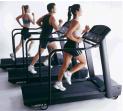
Home exercise program helps HIV-infected women
 Reuters Health
Friday, June 30, 2006
By Will Boggs, MD
NEW YORK (Reuters Health) - A home-based training program improves the physical fitness of HIV-positive women, according to a new study.
"HIV-infected women demonstrate extremely low levels of aerobic fitness," Dr. Steven K. Grinspoon told Reuters Health. In fact, their level of physical fitness is often half that of other women of the same age, "which may in and of itself increase cardiovascular disease."
Grinspoon, from Massachusetts General Hospital, Boston, Massachusetts, and colleagues evaluated the effects of a 16-week supervised, home-based program of aerobic exercise and progressive resistance training in 40 HIV-infected women.
The participants had a high waist-to-hip ratio and they reported body fat redistribution, which is characteristic of long-standing HIV disease or its treatment. Half of them took part in the exercise program while the others served as a comparison "control" group.
After 16 weeks, aerobic capacity and endurance-exercise time increased in the exercise group but decreased in the control group, the researchers report in the Archives of Internal Medicine.
All measures of strength increased significantly more in the exercise group than in the control group, the results indicate. Also, waist circumference decreased more in the exercise group than in the control group, but body mass index, abdominal fat, and total fat did not change between the groups.
"HIV-infected women should be encouraged to perform supervised home-based aerobic and strength programs which will improve fitness (including functional status as measure by improved capacity to walk longer) and strength and improve critical cardiovascular risk parameters (e.g., to reduce elevated waist circumference)," Grinspoon advised.
"The women found it easy to implement as this was a home-based therapy, in which a physical therapist was brought into the home to train subjects," Grinspoon added. "The program made patients feel better about their health, which may improve compliance as well."
SOURCE: Archives of Internal Medicine, June 12, 2006.
Anemia ups hospitalization, death risk for elderly
 Reuters Health, Friday, June 30, 2006
By Will Boggs, MD
NEW YORK (Reuters Health) - Older adults who are anemic have an increased risk of hospitalization and death, according to a report from Canada.
Anemia occurs when there is a drop in the blood's ability to carry oxygen, because of a deficiency of red blood cells or their oxygen-carrying component, hemoglobin. A lack of iron in the diet or blood loss, perhaps from internal bleeding, are two of the potential causes of anemia.
"The identification of anemia in older individuals is a flag for adverse health outcomes," Dr. Bruce F. Culleton from the University of Calgary, Alberta, told Reuters Health. "Physicians should use their clinical and decision-making skills to search for reversible factors responsible for the anemia."
As reported in the medical journal Blood, Culleton and his colleagues used information from Calgary databases to investigate whether there was a relationship between anemia and hospitalizations and death among more than 17,000 adults 66 years of age and older.
The group was followed from 2001 to the end of 2004, during which time there were 1983 deaths and 7278 first hospitalizations.
The overall death rate was 5-fold higher among individuals with anemia, the investigators report.
The findings were similar when only individuals over 80 years old were included in the analysis.
Anemia was also associated with nearly a 3-fold increased risk of hospitalization, the researchers note.
"These results should provide an impetus for future interventional trials of anemia correction in the elderly," the investigators conclude.
SOURCE: Blood, May 15, 2006.
Low blood sugar at night still a diabetes problem
 Reuters Health, Friday, June 30, 2006
By David Douglas
NEW YORK (Reuters Health) - For people with type 1 diabetes who aim to keep their blood sugar levels under tight control, nighttime can bring the problem of sugar levels dropping too low -- which can lead to mental confusion or even seizures. None of the available remedies, however, are ideal, researchers say.
Bedtime snacks are not a reliable method of preventing nocturnal hypoglycemia, as the condition is called, and drug treatment has shortcomings, according to a report in the June issue of the Journal of Clinical Endocrinology and Metabolism.
"Nocturnal hypoglycemia is a problem for many people with diabetes that has not been solved," Dr. Philip E. Cryer told Reuters Health.
To investigate possible bedtime solutions, Cryer and colleagues at Washington University School of Medicine, St. Louis, Missouri studied 21 patients with type-1 diabetes over five nights.
On different nights they were assigned to receive no treatment, an uncooked cornstarch bar, a snack, a snack and the drug acarbose, or a dose of terbutaline. Cornstarch is intended to provide a slowly digested source of carbohydrate, and acarbose slows the digestion of carbohydrates. Terbutaline stimulates production of epinephrine, which in turn may counter falling glucose levels.
"We found that a conventional bedtime snack (with or without acarbose), or bedtime ingestion of uncooked cornstarch, did not consistently prevent nocturnal hypoglycemia in people with type 1 diabetes," Cryer said.
For practical purposes, "terbutaline prevented nocturnal hypoglycemia, but it also caused hyperglycemia (excessively high glucose levels) the following morning."
In light of this, Dr. Cryer concluded, "we need to find out if a lower dose of terbutaline would be effective in preventing nocturnal hypoglycemia without causing morning hyperglycemia."
SOURCE: Journal of Clinical Endocrinology and Metabolism, June 2006.
Langganan:
Komentar (Atom)
