 Complementary and Alternative Diagnostics for Allergies - Today many people integrate both traditional and complementary or alternative medicine into their treatment programs for a variety of conditions. Some allergy sufferers, therefore,...... Read more
Tampilkan postingan dengan label Allergy. Tampilkan semua postingan
Tampilkan postingan dengan label Allergy. Tampilkan semua postingan
Kamis, 01 Januari 2009
Complementary and Alternative Diagnostics for Allergies
Complementary and Alternative Diagnostics for Allergies - Today many people integrate both traditional and complementary or alternative medicine into their treatment programs for a variety of conditions. Some allergy sufferers, therefore,...... Read more
Jumat, 04 April 2008
Eating Less May Hinder Immune System
 (HealthDay News) -- You may no longer need to remember whether it's "starve a cold, feed a fever" or vice versa. New research suggests you should just eat.
A study of deer mice has found that reducing the amount of food the mice ate impaired their immune system. The findings are published in the May/June issue of Physiological and Biochemical Zoology.
The researchers found that decreasing the amount of food the mice ate by 30 percent significantly decreased the number of B cells in their systems. B cells produce antibodies and maintain immune memory, so an immune system lacking B cells must relearn how to fight infection and disease.
"A 30 percent restriction in food intake doesn't affect body mass and only minimally reduces activity in deer mice, but it eliminates the long-term immune protection provided by antibodies," study co-author Lynn Martin said in a prepared statement. "One wonders whether similar moderate food restriction has comparable immune effects in humans."
Martin and fellow researchers cited previous studies that had found that infections were "more frequent and tend to be chronic in malnourished children." Previous studies have also found that vaccines that provoke B cells to protect the body long-term, such as the vaccine for measles, are less effective among the malnourished.
The authors proposed that future research should be done to learn what specific features of diet (calories, protein, micronutrients) affect immune system function.
More information
The U.S. National Institute of Allergy and Infectious Diseases has more on how vaccines work.
Kamis, 13 Maret 2008
Don't Prescribe Antibiotics for Adult Sinus Woes
(HealthDay News) -- It's extremely difficult for doctors to tell the difference between sinus infections that can be cured by antibiotics and those that can't, a new review finds.
Given the growing problem of antibiotic resistance, the study authors urge that physicians give up using antibiotics altogether for adult patients with rhinosinusitis -- even when symptoms persist beyond a week.
"Antibiotics offer little benefit for patients with acute rhinosinusitis-like complaints," wrote the research team led by Dr. Jim Young of University Hospital Basel, Switzerland. "Antibiotics are not justified even if a patient reports symptoms for longer than 7-10 days," they added in the March 15 issue of The Lancet.
The European group noted that upper respiratory tract infections are responsible for a full third of doctor's appointments in the United States, and a third of those visits end in a diagnosis of rhinosinusitis. Currently, about 80 percent of patients receive a prescription for an antibiotic.
Antibiotics are only useful against bacterial disease -- they do not fight viral infections. But how good are doctors at distinguishing between the two in the typical clinical setting?
To find out, Young's group looked at data from nine trials with a total of more than 2,500 adult patients with rhinosinusitis. Doctors in the trials used a patient's medical history or symptoms -- for example, facial pain, pus-filled nasal discharge, or a prior cold -- that have been thought helpful in distinguishing a bacterial infection from a viral one.
Unfortunately, even these symptoms failed to help doctors determine whether antibiotics were appropriate. In fact, the analysis found that 15 patients with rhinosinusitis-like complaints had to be given antibiotics before one additional patient benefited from treatment, meaning that the other 14 were getting the drugs for no real purpose, the authors wrote. The result didn't change, regardless of patient age or duration or severity of symptoms.
The findings only apply to adult patients because children were not included in the study, the researchers stressed.
However, one otolaryngologist said the study goes too far in banning antibiotics for adult cases.
"This study should not convey the message that antibiotics are not indicated for all patients with sinusitis," Dr. Jordan S. Josephson, of Lenox Hill Hospital in New York City, said in a statement. He believes that while the drugs are certainly ineffective against viral sinusitis, they can offer patients with acute bacterial infections "significant symptom relief and improvement."
Josephson notes the study does not address "the 30-plus million Americans that suffer from chronic sinusitis." He said the evidence is clear that many patients with these longer-term sinus problems do benefit from antibiotic therapy.
However, the new findings mirror those of a study published last March in the Archives of Otolaryngology Head and Neck Surgery. That study found that U.S. doctors are consistently overprescribing antibiotics for sinus infections.
But even the physician who led that research doesn't see how the problem can be eliminated.
That's because when it comes to treatments for sinus trouble, antibiotics are the best of a bad lot, said Dr. Donald A. Leopold, chairman of the department of otolaryngology at the University of Nebraska Medical Center.
"We as physicians don't have very good medications for chronic rhinosinusitis," he said. "The only other drugs in contention are topical steroids, and they are not great. As a group, I suggest we are frustrated at not having good drugs. It would be great if we had better medications for this chronic inflammation."
Another factor is what patients demand, Leopold said. "Many patients call up and ask for specific antibiotics," he said. "The patients know these names. They have been marketed to them, so they know the drugs are available. And antibiotics do give some relief."
According to the Archives of Otolaryngology Head and Neck Surgery report, two national studies showed that Americans made more than 17 million visits to health-care facilities for sinus infections between 1999 and 2002. At least one antibiotic was prescribed in nearly 83 percent of cases of acute rhinosinusitis and in nearly 70 percent of cases of the chronic, longer-running version of the condition, in which symptoms persist for at least 12 weeks.
Doctors understand that overprescribing antibiotics can lead to a dangerous microbial resistance to the drugs. But it's hard to preach that wisdom to someone with a drippy, hurting sinus who wants immediate relief, Leopold acknowledged. Because more effective drugs are lacking, "patients are desperate, physicians are desperate, and it is not a happy situation," he said.
Consider the case of the working physician called on to treat such a patient, said Dr. Neil L. Kao, vice chairman of the rhinitis/sinusitis committee of the American College of Allergy, Asthma and Immunology. He happens to be just such a working physician, in private practice in Greenville, S.C.
There are ways to determine whether a sinus infection is bacterial, Kao said. One is to do endoscopy, running a tube into the nose to obtain a sample of mucus from the sinus. Another is nasal cytology, examining a swab from the lining of the nose. A third is to take an X-ray.
"The problem with all of these is that they are expensive and time-consuming," Kao said. "The differences between symptoms caused by an allergy, bacterial infection, viral infection and a common cold are few. For us, even specialist doctors, when you see someone with acute nasal symptoms, it is hard to tell the cause. And the truth is that most of the people diagnosed with sinusitis go to primary-care doctors."
Public awareness about antibiotic resistance is increasing, but most people suffering from cough, drip, lack of sleep and other sinus symptoms are likely to come in demanding an antibiotic, Kao said.
And so the physician often makes the practical choice of giving what the patient wants, with a chance of relief, over the more abstract issue of antibiotic resistance, he said.
More information
For more on sinus infections, head to the U.S. Centers for Disease Control and Prevention.
Given the growing problem of antibiotic resistance, the study authors urge that physicians give up using antibiotics altogether for adult patients with rhinosinusitis -- even when symptoms persist beyond a week.
"Antibiotics offer little benefit for patients with acute rhinosinusitis-like complaints," wrote the research team led by Dr. Jim Young of University Hospital Basel, Switzerland. "Antibiotics are not justified even if a patient reports symptoms for longer than 7-10 days," they added in the March 15 issue of The Lancet.
The European group noted that upper respiratory tract infections are responsible for a full third of doctor's appointments in the United States, and a third of those visits end in a diagnosis of rhinosinusitis. Currently, about 80 percent of patients receive a prescription for an antibiotic.
Antibiotics are only useful against bacterial disease -- they do not fight viral infections. But how good are doctors at distinguishing between the two in the typical clinical setting?
To find out, Young's group looked at data from nine trials with a total of more than 2,500 adult patients with rhinosinusitis. Doctors in the trials used a patient's medical history or symptoms -- for example, facial pain, pus-filled nasal discharge, or a prior cold -- that have been thought helpful in distinguishing a bacterial infection from a viral one.
Unfortunately, even these symptoms failed to help doctors determine whether antibiotics were appropriate. In fact, the analysis found that 15 patients with rhinosinusitis-like complaints had to be given antibiotics before one additional patient benefited from treatment, meaning that the other 14 were getting the drugs for no real purpose, the authors wrote. The result didn't change, regardless of patient age or duration or severity of symptoms.
The findings only apply to adult patients because children were not included in the study, the researchers stressed.
However, one otolaryngologist said the study goes too far in banning antibiotics for adult cases.
"This study should not convey the message that antibiotics are not indicated for all patients with sinusitis," Dr. Jordan S. Josephson, of Lenox Hill Hospital in New York City, said in a statement. He believes that while the drugs are certainly ineffective against viral sinusitis, they can offer patients with acute bacterial infections "significant symptom relief and improvement."
Josephson notes the study does not address "the 30-plus million Americans that suffer from chronic sinusitis." He said the evidence is clear that many patients with these longer-term sinus problems do benefit from antibiotic therapy.
However, the new findings mirror those of a study published last March in the Archives of Otolaryngology Head and Neck Surgery. That study found that U.S. doctors are consistently overprescribing antibiotics for sinus infections.
But even the physician who led that research doesn't see how the problem can be eliminated.
That's because when it comes to treatments for sinus trouble, antibiotics are the best of a bad lot, said Dr. Donald A. Leopold, chairman of the department of otolaryngology at the University of Nebraska Medical Center.
"We as physicians don't have very good medications for chronic rhinosinusitis," he said. "The only other drugs in contention are topical steroids, and they are not great. As a group, I suggest we are frustrated at not having good drugs. It would be great if we had better medications for this chronic inflammation."
Another factor is what patients demand, Leopold said. "Many patients call up and ask for specific antibiotics," he said. "The patients know these names. They have been marketed to them, so they know the drugs are available. And antibiotics do give some relief."
According to the Archives of Otolaryngology Head and Neck Surgery report, two national studies showed that Americans made more than 17 million visits to health-care facilities for sinus infections between 1999 and 2002. At least one antibiotic was prescribed in nearly 83 percent of cases of acute rhinosinusitis and in nearly 70 percent of cases of the chronic, longer-running version of the condition, in which symptoms persist for at least 12 weeks.
Doctors understand that overprescribing antibiotics can lead to a dangerous microbial resistance to the drugs. But it's hard to preach that wisdom to someone with a drippy, hurting sinus who wants immediate relief, Leopold acknowledged. Because more effective drugs are lacking, "patients are desperate, physicians are desperate, and it is not a happy situation," he said.
Consider the case of the working physician called on to treat such a patient, said Dr. Neil L. Kao, vice chairman of the rhinitis/sinusitis committee of the American College of Allergy, Asthma and Immunology. He happens to be just such a working physician, in private practice in Greenville, S.C.
There are ways to determine whether a sinus infection is bacterial, Kao said. One is to do endoscopy, running a tube into the nose to obtain a sample of mucus from the sinus. Another is nasal cytology, examining a swab from the lining of the nose. A third is to take an X-ray.
"The problem with all of these is that they are expensive and time-consuming," Kao said. "The differences between symptoms caused by an allergy, bacterial infection, viral infection and a common cold are few. For us, even specialist doctors, when you see someone with acute nasal symptoms, it is hard to tell the cause. And the truth is that most of the people diagnosed with sinusitis go to primary-care doctors."
Public awareness about antibiotic resistance is increasing, but most people suffering from cough, drip, lack of sleep and other sinus symptoms are likely to come in demanding an antibiotic, Kao said.
And so the physician often makes the practical choice of giving what the patient wants, with a chance of relief, over the more abstract issue of antibiotic resistance, he said.
More information
For more on sinus infections, head to the U.S. Centers for Disease Control and Prevention.
Minggu, 17 Februari 2008
Allergy Disorders Linked With Irritable Bowel Syndrome
(HealthDay News) -- There may be a link between allergies and irritable bowel syndrome (IBS) in adults, says a study by researchers at Rush University Medical Center in Chicago.
IBS occurs in about 15 percent of the U.S. population. Some studies have suggested that allergen exposure may lead to IBS symptoms in some patients, but the frequency hadn't been examined.
In this study, researchers looked at 125 adults and found the likelihood of IBS was much higher in patients with allergic eczema (3.85 times) and seasonal allergic rhinitis (2.67) times. They also found that IBS was 2.56 times more likely in people with depression.
"The reported presence of allergic dermatitis was highly correlated to the presence of IBS in our population," the study authors wrote. "In atopic disease, allergic dermatitis is the first step of the 'atopic' march.' In early childhood, AE (allergic eczema) is frequently associated with gastrointestinal dysfunction and food allergy. A clinical history of AE may be a useful marker for patients with gut hypersensitivity and atopic IBS."
The researchers also found that asthma and IBS were reported by 12 of 41 patients (29 percent), similar to findings in a previous study. The researchers proposed that "this subgroup of IBS (atopic IBS) be considered separately from patients with IBS without atopic symptoms, because they may have distinct pathophysiologic features and may benefit from specific therapeutic interventions."
The study was published recently in the Annals of Allergy, Asthma & Immunology.
More information
The U.S. National Institute of Diabetes and Digestive and Kidney Diseases has more about IBS.
IBS occurs in about 15 percent of the U.S. population. Some studies have suggested that allergen exposure may lead to IBS symptoms in some patients, but the frequency hadn't been examined.
In this study, researchers looked at 125 adults and found the likelihood of IBS was much higher in patients with allergic eczema (3.85 times) and seasonal allergic rhinitis (2.67) times. They also found that IBS was 2.56 times more likely in people with depression.
"The reported presence of allergic dermatitis was highly correlated to the presence of IBS in our population," the study authors wrote. "In atopic disease, allergic dermatitis is the first step of the 'atopic' march.' In early childhood, AE (allergic eczema) is frequently associated with gastrointestinal dysfunction and food allergy. A clinical history of AE may be a useful marker for patients with gut hypersensitivity and atopic IBS."
The researchers also found that asthma and IBS were reported by 12 of 41 patients (29 percent), similar to findings in a previous study. The researchers proposed that "this subgroup of IBS (atopic IBS) be considered separately from patients with IBS without atopic symptoms, because they may have distinct pathophysiologic features and may benefit from specific therapeutic interventions."
The study was published recently in the Annals of Allergy, Asthma & Immunology.
More information
The U.S. National Institute of Diabetes and Digestive and Kidney Diseases has more about IBS.
Minggu, 03 Februari 2008
Pregnant Women With Asthma Should Stay on Low Dose of Meds
(HealthDay News) -- During pregnancy, asthmatic women should continue to use their asthma medication in the lowest dose possible to manage symptoms.
So recommends a new Practice Bulletin just released by the American College of Obstetricians and Gynecologists (ACOG).
The bulletin says women with moderate or severe asthma should also be monitored throughout pregnancy for fetal growth restriction and signs of possible preterm birth.
During pregnancy, asthma attacks may deprive the fetus of oxygen and may be associated with premature birth, growth restriction and other fetal complications, as well as illness and death in women, the ACOG said.
The new recommendations are based on a review of existing studies and support the position of the U.S. National Asthma Education Prevention Program that "it is safer for pregnant women with asthma to be treated with asthma medications than it is for them to have asthma symptoms and exacerbations."
"Previously, there was limited guidance regarding the management of asthma during pregnancy," Dr. Andrew J. Satin, chairman of the ACOG's Committee on Practice Bulletins-Obstetrics, said in a prepared statement. "With the growing number of asthmatics in the U.S., it became a priority to formalize recommendations for ob-gyns, who will likely see an increasing number of asthmatic patients."
"Research consistently shows that women with well-controlled asthma can have healthy pregnancies with excellent maternal and perinatal outcomes," Dr. Mitchell P. Dombrowski, an ACOG Fellow who contributed to the new Practice Bulletin, said in a prepared statement. "The ultimate goal of controlling asthma during pregnancy is to ensure that the fetus continues to get adequate oxygen by preventing asthma attacks."
The bulletin is published in the February issue of Obstetrics & Gynecology.
More information
The American Academy of Allergy, Asthma and Immunology has more about asthma and pregnancy.
So recommends a new Practice Bulletin just released by the American College of Obstetricians and Gynecologists (ACOG).
The bulletin says women with moderate or severe asthma should also be monitored throughout pregnancy for fetal growth restriction and signs of possible preterm birth.
During pregnancy, asthma attacks may deprive the fetus of oxygen and may be associated with premature birth, growth restriction and other fetal complications, as well as illness and death in women, the ACOG said.
The new recommendations are based on a review of existing studies and support the position of the U.S. National Asthma Education Prevention Program that "it is safer for pregnant women with asthma to be treated with asthma medications than it is for them to have asthma symptoms and exacerbations."
"Previously, there was limited guidance regarding the management of asthma during pregnancy," Dr. Andrew J. Satin, chairman of the ACOG's Committee on Practice Bulletins-Obstetrics, said in a prepared statement. "With the growing number of asthmatics in the U.S., it became a priority to formalize recommendations for ob-gyns, who will likely see an increasing number of asthmatic patients."
"Research consistently shows that women with well-controlled asthma can have healthy pregnancies with excellent maternal and perinatal outcomes," Dr. Mitchell P. Dombrowski, an ACOG Fellow who contributed to the new Practice Bulletin, said in a prepared statement. "The ultimate goal of controlling asthma during pregnancy is to ensure that the fetus continues to get adequate oxygen by preventing asthma attacks."
The bulletin is published in the February issue of Obstetrics & Gynecology.
More information
The American Academy of Allergy, Asthma and Immunology has more about asthma and pregnancy.
Selasa, 08 Januari 2008
Breast-Feeding Seems to Protect Against Some Allergies
(HealthDay News) -- Atopic disease -- which includes eczema, asthma and food allergies -- may be delayed or even prevented in high-risk infants if they are exclusively breast-fed for at least four months or fed infant formula without cow milk protein.
That's the conclusion of a new clinical report from the American Academy of Pediatrics (AAP) that's published in the January issue of Pediatrics. The report replaces an earlier policy statement from the AAP.
"Basically, it probably does not matter what pregnant or lactating women eat," said Dr. Frank Greer, an author of the report, professor of pediatrics at the University of Wisconsin and chairman of the AAP Committee on Nutrition.
"The best prevention for atopic [allergic] disease is exclusive breast-feeding for four months," he added. "And if your infant comes from a family with significant atopic disease, then weaning from breast milk to a partially or extensively hydrolyzed [hypoallergenic] formula [without cow milk protein] may delay or prevent the onset of atopic disease, especially atopic dermatitis [eczema]."
Greer added that this recommendation would also apply to formula-fed infants who are at risk for atopic disease.
The timing and introduction of solid foods has no protective effect on the prevention of atopic disease, according to the new report.
"With the increase in asthma and food allergies that we've seen recently, we had hoped that maternal diet, breast-feeding and early childhood diet might all have some factor in decreasing incidence," said Dr. Jennifer Wu, an obstetrician/gynecologist at Lenox Hill Hospital in New York City. "Unfortunately, it doesn't seem to significantly impact, according to studies already done. The only one that seems to be impacted is the atopic dermatitis, which is decreased by about one third by breast-feeding. But the studies that have been done so far have not proven that breast-feeding will significantly impact childhood asthma or food allergies."
The incidence of allergic diseases such as asthma, food allergies and various skin conditions has exploded during the past few decades. In children 4 years of age and younger, the incidence of asthma has risen 160 percent, while the incidence of atopic dermatitis has almost tripled. And the incidence of peanut allergy has doubled just during the past decade, according to the report.
While genetics certainly plays a role in the development of these diseases, environmental factors such as diet are also strongly related.
The new report reviewed different evidence on nutrition during pregnancy, breast-feeding and the first year of life that might affect the development of allergic disease. Its major findings are as follows:
That's the conclusion of a new clinical report from the American Academy of Pediatrics (AAP) that's published in the January issue of Pediatrics. The report replaces an earlier policy statement from the AAP.
"Basically, it probably does not matter what pregnant or lactating women eat," said Dr. Frank Greer, an author of the report, professor of pediatrics at the University of Wisconsin and chairman of the AAP Committee on Nutrition.
"The best prevention for atopic [allergic] disease is exclusive breast-feeding for four months," he added. "And if your infant comes from a family with significant atopic disease, then weaning from breast milk to a partially or extensively hydrolyzed [hypoallergenic] formula [without cow milk protein] may delay or prevent the onset of atopic disease, especially atopic dermatitis [eczema]."
Greer added that this recommendation would also apply to formula-fed infants who are at risk for atopic disease.
The timing and introduction of solid foods has no protective effect on the prevention of atopic disease, according to the new report.
"With the increase in asthma and food allergies that we've seen recently, we had hoped that maternal diet, breast-feeding and early childhood diet might all have some factor in decreasing incidence," said Dr. Jennifer Wu, an obstetrician/gynecologist at Lenox Hill Hospital in New York City. "Unfortunately, it doesn't seem to significantly impact, according to studies already done. The only one that seems to be impacted is the atopic dermatitis, which is decreased by about one third by breast-feeding. But the studies that have been done so far have not proven that breast-feeding will significantly impact childhood asthma or food allergies."
The incidence of allergic diseases such as asthma, food allergies and various skin conditions has exploded during the past few decades. In children 4 years of age and younger, the incidence of asthma has risen 160 percent, while the incidence of atopic dermatitis has almost tripled. And the incidence of peanut allergy has doubled just during the past decade, according to the report.
While genetics certainly plays a role in the development of these diseases, environmental factors such as diet are also strongly related.
The new report reviewed different evidence on nutrition during pregnancy, breast-feeding and the first year of life that might affect the development of allergic disease. Its major findings are as follows:
- Currently, there is no evidence that what a mother eats during pregnancy or breast-feeding plays a major role in preventing atopic disease in infants. There is some evidence, however, that avoiding certain foods during breast-feeding may help prevent atopic eczema.
- Exclusive breast-feeding for at least four months for infants at high-risk of developing atopic disease decreases the risk of developing eczema and cow milk allergy during the first two years of life.
- In high-risk infants who aren't breast-fed exclusively for four to six months, the use of hydrolyzed infant formula (as opposed to formula containing cow milk) may delay or prevent the onset of atopic dermatitis.
- Exclusive breast-feeding for at least three months protects an infant against wheezing in early life.
- There is no good evidence to support the use of soy-based infant formula to prevent allergies.
- There is no evidence to suggest that delaying the introduction of solid foods before the recommended 4 to 6 months of age will have an effect on the development of atopic disease.
- There is no convincing evidence to suggest that any dietary intervention will prevent atopic disease after 4 to 6 months of age.
- "It's a mixed picture," Wu said. "We don't have proven efficacy for breast-feeding. It may mean that we need more robust studies and a longer-term follow-up for kids."
The new report is titled "Effects of Early Nutritional Interventions on the Development of Atopic Disease in Infants and Children: The Role of Maternal Dietary Restriction, Breastfeeding, Timing of Introduction of Complementary Foods, and Hydrolyzed Formulas."
More information
There's more on infant nutrition at the National Institutes of Health.
Rabu, 28 November 2007
Health Tip: Severe Food Allergy?
(HealthDay News) - If you or a loved one has a serious allergy to one or more foods, it's important to have an action plan in case of accidental ingestion.
Here are some guidelines, courtesy of the American Academy of Family Physicians:
Here are some guidelines, courtesy of the American Academy of Family Physicians:
- Work with your doctor and family members to create a clear, detailed emergency action plan. Always carry it with you.
- Designate a trusted third party as an emergency contact.
- At all times, carry emergency medications recommended by your doctor, which may include an epinephrine pen and an antihistamine.
Senin, 28 Mei 2007
Inhaled Corticosteroids Won't Prevent Kids' Asthma
 (HealthDay News) -- While inhaled corticosteroid medications are a mainstay of effective asthma treatment, they can't prevent the disease from occurring or recurring in high-risk children, new research found.
Two presentations Wednesday at the American Thoracic Society 2007 International Conference in San Francisco included an additional year of information from previous research. The studies confirmed that youngsters given inhaled corticosteroids may do well while they're taking the medications. But the drugs' beneficial effects wear off soon after they're stopped, and they don't appear to have any long-term effects on the progression of asthmatic disease.
"The good news is that you probably don't have to use steroids to prevent the progression of asthma, but inhaled corticosteroids do work when you need them," said one of the study's authors, Dr. Wayne Morgan, a professor of pediatrics and physiology and chief of pediatric pulmonary medicine at the University of Arizona at Tucson. "Inhaled corticosteroids control, but don't prevent, asthma."
Morgan's presentation, and that of his colleague Dr. Theresa Guilbert, assistant professor of pediatrics at the University of Wisconsin-Madison, revisited a clinical trial called PEAK (Prevention of Early Asthma in Kids). In this trial, 285 children at high risk of developing asthma were randomly selected to receive preventive treatment with an inhaled corticosteroid twice daily for two years, or a placebo. The third year of the study included no treatment. For the fourth year -- the year included in the new presentations -- the children's care was returned solely to their own physicians. Therefore, treatment varied and reflected what's going on in real-world clinical practice.
Morgan's presentation focused on specific physiological measures of lung function. During the study treatment period, these measures indicated that the children in the treatment arm were, in fact, taking the medication.
"At the end of the second observation period, there was no difference between the groups," Morgan said.
The information Guilbert presented focused on who responded most to the medications.
"There was a greater response to asthma medication in non-whites and in males. There was a better response in the somewhat older children and a better response in those with a parental history of asthma," said Morgan, who added that "when you use asthma medications, you can control the disease, but you can't cure it."
Pediatric asthma specialist Dr. Alan Khadavi, of New York University Medical Center, said the new findings won't "change my first-line asthma management. Inhaled corticosteroids may not prevent the development of asthma, but children with asthma still need it to decrease exacerbations."
But, another study presented at the same meeting found that inhaled corticosteroids don't help all children with asthma. Even when parents reported that their children consistently used inhaled corticosteroids, as many as one in five youngsters still didn't achieve good asthma control, this research found. The study included 914 children with mild to moderate asthma and compared those using inhaled corticosteroids on a regular basis to those who weren't prescribed an inhaled corticosteroid.
"It is possible that some children are genetically less responsive to steroids," the study's author, Dr. Gregory Sawicki, of Children's Hospital Boston, said in a prepared statement. He added that it was also possible that the children didn't use their medications as often as their parents reported or that the children who didn't respond to the inhaled corticosteroids may simply have been children with more severe asthma.
While the PEAK study failed to find a way to prevent childhood asthma, and there are no other known ways to prevent the development of the disease, Khadavi pointed out that if you have asthma, you can try to prevent exacerbations of the disease. Since most asthma has allergic triggers, he said, it's important to run an air conditioner or a HEPA air cleaner at times of the year when pollen counts are high. If dust mites trigger your child's symptoms, he recommended "removing carpeting and using dust-mite encasements on mattresses and pillows."
Khadavi also said that if you can't avoid allergens altogether, it's a good idea to give your child an antihistamine to lessen the allergy symptoms.
More information
To learn more about Asthma prevention, visit the American Academy of Allergy, Asthma and Immunology.
Senin, 30 Oktober 2006
Better Treatment for HIV/AIDS?
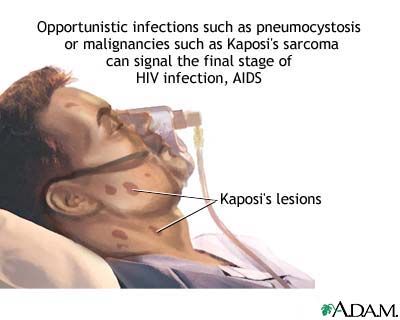 Q: Better Treatment for HIV/AIDS?
Is there any new information with regard to diet or herbal treatments for those with HIV/AIDS that might allow discontinuation of the "cocktail" medication?
A: First of all, let me assure you that no herbal or dietary approach exists to replace treatment of HIV/AIDS with the highly effective "cocktail" of protease inhibitors and antiviral drugs. These medications reduce the amount of the HIV virus in the body, preventing development of full-blown AIDS and extending life expectancy.
I would never advise a person with HIV/AIDS against using the "cocktail." The major disadvantage of this treatment is the number of pills involved, but this inconvenience is a small price to pay for a treatment that protects against a deadly disease. Unfortunately, the expense of the treatment means that millions of people in third-world countries where HIV/AIDS is rampant don't have access to these life-saving drugs.
We urgently need programs to make the cocktail more widely available and affordable. Beyond that, we need an effective vaccine to stem the still-escalating AIDS epidemic. Some 40 million people worldwide are living with HIV/AIDS, nearly one million of them in the United States. More than 40,000 people become infected with HIV in this country every year, and the spread of the disease continues unabated elsewhere. Reportedly, the disease is out of control in Russia with one out of every 100 adults infected. In India, 4.5 million people are infected - so many that World Health Organization authorities say that India may have overtaken South Africa as the most infected country.
Unfortunately, we don't yet have a vaccine, but that's not for lack of trying: a total of 30 vaccines are in human trials in 19 countries. The biggest obstacle investigators face is the ability of HIV to change its shape, frustrating efforts to find a vaccine that stops it from replicating.
To complement treatment with the HIV/AIDS cocktail of drugs, I recommend using a mixture of medicinal mushrooms with antiviral, immune-enhancing effects, as in the product called Host Defense from New Chapter.
If you're taking the HIV/AIDS cocktail, be cautious about the use of two herbal remedies. Studies at the National Institute of Allergy and Infectious Diseases found that taking garlic supplements twice a day for three weeks reduced blood levels of the anti-HIV drug saquinavir by approximately 50 percent. The same team found that St. John's wort can reduce concentrations in the blood of the protease inhibitor indinavir.
Andrew Weil, M.D.
Allergic to Latex Condoms?
 Q: Allergic to Latex Condoms?Is it possible to be allergic to condoms?
A: You can have an allergic reaction to condom use. The cause is a protein in the latex used to make condoms. Allergies to latex condoms occur in both men and women. Symptoms include a hives-like rash and itching, dryness and, sometimes, shortness of breath, welts, and eczema. Latex allergy can also lead to life-threatening anaphylactic shock.
Latex allergies are most common among health care workers who may have almost continuous exposure due to wearing latex gloves and working with items such as urinary catheters and syringes. You're more prone to a latex allergy if you have other allergies. Overall, estimates of the prevalence of these reactions range from less than one percent to six percent of the U.S. population. People who are allergic to latex also may be sensitive to foods that contain similar proteins: bananas, avocados, chestnuts, kiwi fruit, and tomatoes.
If you are affected, you can opt for polyurethane condoms, which protect against pregnancy just as well. Polyurethane is thin and strong and effectively conducts body heat and, according to some reports, is more compatible with sexual pleasure than latex. However, the polyurethane products have higher breakage rates than latex condoms and therefore may not be as effective in preventing transmission of HIV and other sexually transmitted infections.
Condoms made of lambskin are available, as well, but are too porous to prevent transmission of disease.
Women who believe themselves allergic to latex condoms used by their partners should make sure that they are not reacting to either the spermicide or a lubricant. You can do this by changing brands of condoms or lubricants or by wearing a latex glove to see if any irritation develops. Other forms of birth control are available to women - birth control pills, a latex-free barrier method called the FemCap, or IUD's - but, excepting abstinence, condoms are still the most effective way to prevent sexual transmission of HIV and other diseases.
Andrew Weil, M.D.
Selasa, 03 Oktober 2006
Infant Snoring Tied to Parental Snoring
 (HealthDay News) -- Infant children of parents who are habitual snorers are themselves at increased risk for frequent snoring, a new study reveals.
The study also found that young children diagnosed with atopy -- a tendency to develop allergies and asthma -- are also prone to frequent snoring.
And African-American children are at elevated risk for chronic snoring, the researchers said.
The findings are important, the researchers said, because so-called "sleep-disordered breathing" among children has been previously associated with the development of learning disabilities, heart disease, and metabolic disorders.
"Early intervention can reduce morbidity due to sleep-disordered breathing," said study lead author Dr. Maninder Kalra, an assistant professor of pediatrics at Cincinnati Children's Hospital Medical Center.
Kalra and his colleagues noted that the American Academy of Pediatrics already recommends that all children be screened for obstructive sleep-disordered breathing.
Whether it occurs in children or adults, snoring is tied to the dynamics at the back of the mouth and nose, where airflow can become disrupted, according to the American Academy of Otolaryngology-Head and Neck Surgery (AAOHNS). The snoring noise is produced when the throat and tongue vibrate against portions of the roof of the mouth, such as the palate and uvula.
Nasal allergies, infections, structural irregularities and problems related to the tonsils and adenoids -- the infection-fighting spongy tissue above the mouth roof -- are also linked to the onset of snoring.
Surgical, laser and radio-wave treatments for patients of all ages can offer some relief to chronic snorers, by clearing obstructions and tightening loose throat tissue. Nasal masks designed to increase air pressure can also help.
For less-serious adult cases, physicians suggest a range of lifestyle changes, such as adhering to routine sleep patterns, weight loss, sleeping on one's side, and avoiding alcohol and sleeping medications before turning in.
The new infant-risk findings were based on tallies of the incidence of snoring among 681 children living in the Cincinnati area. All the infants were born to parents who were themselves diagnosed as atopic. The average age of the children -- 80 percent of whom were white, and 55 percent of whom were boys -- was just over 1 year.
Habitual snoring was defined as snoring three or more times a week. The parents completed questionnaires to identify any relationship between infant snoring and parental snoring, infant atopic status, and infant exposure to parental smoking.
Blood tests were also done to assess infant allergies, including those related to grass pollens, ragweed, various trees, dust mites, penicillin, cockroaches, cats, and dogs.
Reporting in the April issue of the journal Chest, the study authors noted that among the parents, 20 percent of the mothers and 46 percent of the fathers were found to be habitual snorers. According to the AAOHNS, an estimated 25 percent of adults snore regularly, while 45 percent snore on occasion. The phenomenon commonly affects men more often than women.
Among the children, those infants with at least one parent who was a habitual snorer were almost three times as likely to snore frequently than those with no parental history of snoring.
Children who tested positive for atopy were found to be nearly twice as likely to be habitual snorers as non-atopic children.
African-American children also appeared to have a higher risk for snoring -- they were almost three times as likely to be habitual snorers.
No association was found, however, between infant snoring and exposure to parental smoking.
"We found that frequent snoring at age 1 is as prevalent as that reported in school-age children," Kalra said. "Parents who snore should be aware that their children are at increased risk for frequent snoring."
So are children with a history of allergies, Kalra said, adding that an estimated 40 million children in the western world suffer from allergies.
One expert said the findings should further the study of sleep apnea, where individuals suffer multiple interruptions in breathing during sleep.
"First, it adds to the growing body of literature for the potential genetic factures that may underline sleep apnea," said Mark S. Aloia, an assistant professor in the department of psychiatry and human behavior at Brown Medical School in Providence, R.I. "I can't think of any other studies that have identified a familial pattern as this one does. And it also serves an important role for identifying potential risk factors for a disorder that's often under-diagnosed and under-treated," he added.
A second study in the April issue of Chest found that women with a higher body mass index (BMI, a ratio of weight to height) appear more likely to be habitual snorers.
The Swedish study, which surveyed more than 6,800 women, also found that snoring was most common among women between the ages of 50 and 59.
More information
For more on snoring, visit the American Academy of Otolaryngology-Head and Neck Surgery.
Jumat, 18 Agustus 2006
Breastfeeding Medicine
 New Rochelle, NY, July 31, 2006—In Recognition of World Breastfeeding Week, Mary Ann Liebert, Inc. (www.liebertpub.com) will provide free online access to Breastfeeding Medicine for the entire month of August.
Breastfeeding Medicine, the official publication of the Academy of Breastfeeding Medicine, is a new international peer-reviewed medical journal that provides physicians with the evidence-based information they need to further educate themselves, their hospital staff, and patients on all aspects of breastfeeding to ensure optimal care for both mother and infant.
All published issues are available free online at www.liebertpub.com/bfm
“A new level of interest in breastfeeding coupled with widespread evidence-based research on the benefits of breastfeeding was the impetus for Breastfeeding Medicine,” said Mary Ann Liebert, President and CEO of Mary Ann Liebert, Inc. “Breastfeeding has a major impact on healthcare outcomes and costs since the baby has fewer medical problems (such as ear infections, allergies and obesity), as does the mother (such as lower incidence of breast and ovarian cancer). It gives me great pleasure to extend online access to everyone for the month of August,” she added.
Breastfeeding Medicine publishes original scientific papers, reviews, and clinical case studies on a wide spectrum of topics in lactation medicine such as: the epidemiology, physiological and psychological benefits of breastfeeding; breastfeeding recommendations and protocols; health consequences of artificial feeding; optimal nutrition for the breastfeeding mother; breastfeeding indications and contraindications; breastfeeding the premature or sick infant; breastfeeding in the chronically ill mother; management of the breastfeeding mother on medication; and much more.
The Academy of Breastfeeding Medicine is a worldwide organization of physicians dedicated to the promotion, protection, and support of breastfeeding and human lactation through education, research, and advocacy. The Academy’s 2006 Annual International Meeting, “Current Controversies in Breastfeeding Medicine,” is taking place on September 19-22, 2006 in Niagara Falls, NY. For further details and to register, visit (www.bfmed.org)
Mary Ann Liebert, Inc. is a privately held, fully integrated media company known for establishing authoritative peer-reviewed journals in many promising areas of science and biomedical research, including Journal of Women’s Health, Pediatric Asthma, Allergy, & Immunology, and Obesity Management. Its biotechnology trade magazine, Genetic Engineering News (GEN), was the first in its field and is today the industry’s most widely read publication worldwide. A complete list of the firm’s 60 journals, books, and newsmagazines is available at www.liebertpub.com
Selasa, 08 Agustus 2006
Study Examines Latex Transfer to Food in Packaging
MONDAY, Aug. 7 (HealthDay News) -- Food packaging that contains latex should be labeled in order to prevent latex-sensitive people from being exposed to potentially deadly levels of the allergen, a group of experts said in response to a recent study.
The U.K. study found that a third of food packaging tested was contaminated with latex and that, in some cases, the latex was transferred to the food. One brand of chocolate biscuit contained 20 times the amount of latex that can cause a reaction. It's believed that as little as a billionth of a gram (1 ng/ml) can be enough to cause a reaction.
Researchers measured the presence of four major latex allergens in 21 types of food packaging for fruits and vegetables, meat, confectionary, pastry and dairy products. The highest latex levels were on ice-cream wrappers. One ice-cream wrapper had more than 370 ng/ml of latex, and the ice cream itself contained about 14 ng/ml.
One company told researchers that it sprayed entire wrappers with latex adhesive, so that the wrappers could be sealed with minimum wastage.
The study was published in the Journal of the Science of Food and Agriculture.
The findings are significant, experts from the U.K. Latex Allergy Support Group (LASG) Advisory Panel told the journal Chemistry & Industry.
"For a few people, natural rubber latex is a very potent allergen, and for these individuals, there is no safe level of exposure," LASG representative Graham Lowe said in a prepared statement. Latex transfer to food could account for some currently unexplained reactions, he noted.
More information
The American Academy of Family Physicians has more about latex allergy.
Last reviewed: 08/07/2006 Last updated: 08/07/2006
The U.K. study found that a third of food packaging tested was contaminated with latex and that, in some cases, the latex was transferred to the food. One brand of chocolate biscuit contained 20 times the amount of latex that can cause a reaction. It's believed that as little as a billionth of a gram (1 ng/ml) can be enough to cause a reaction.
Researchers measured the presence of four major latex allergens in 21 types of food packaging for fruits and vegetables, meat, confectionary, pastry and dairy products. The highest latex levels were on ice-cream wrappers. One ice-cream wrapper had more than 370 ng/ml of latex, and the ice cream itself contained about 14 ng/ml.
One company told researchers that it sprayed entire wrappers with latex adhesive, so that the wrappers could be sealed with minimum wastage.
The study was published in the Journal of the Science of Food and Agriculture.
The findings are significant, experts from the U.K. Latex Allergy Support Group (LASG) Advisory Panel told the journal Chemistry & Industry.
"For a few people, natural rubber latex is a very potent allergen, and for these individuals, there is no safe level of exposure," LASG representative Graham Lowe said in a prepared statement. Latex transfer to food could account for some currently unexplained reactions, he noted.
More information
The American Academy of Family Physicians has more about latex allergy.
Last reviewed: 08/07/2006 Last updated: 08/07/2006
Langganan:
Postingan (Atom)
