Senin, 30 Oktober 2006

Better Treatment for HIV/AIDS?

Q: Better Treatment for HIV/AIDS?
Is there any new information with regard to diet or herbal treatments for those with HIV/AIDS that might allow discontinuation of the "cocktail" medication?

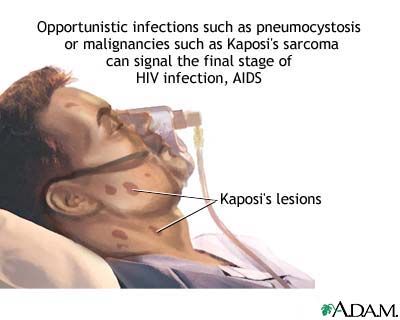
A: First of all, let me assure you that no herbal or dietary approach exists to replace treatment of HIV/AIDS with the highly effective "cocktail" of protease inhibitors and antiviral drugs. These medications reduce the amount of the HIV virus in the body, preventing development of full-blown AIDS and extending life expectancy.

I would never advise a person with HIV/AIDS against using the "cocktail." The major disadvantage of this treatment is the number of pills involved, but this inconvenience is a small price to pay for a treatment that protects against a deadly disease. Unfortunately, the expense of the treatment means that millions of people in third-world countries where HIV/AIDS is rampant don't have access to these life-saving drugs.

We urgently need programs to make the cocktail more widely available and affordable. Beyond that, we need an effective vaccine to stem the still-escalating AIDS epidemic. Some 40 million people worldwide are living with HIV/AIDS, nearly one million of them in the United States. More than 40,000 people become infected with HIV in this country every year, and the spread of the disease continues unabated elsewhere. Reportedly, the disease is out of control in Russia with one out of every 100 adults infected. In India, 4.5 million people are infected - so many that World Health Organization authorities say that India may have overtaken South Africa as the most infected country.

Unfortunately, we don't yet have a vaccine, but that's not for lack of trying: a total of 30 vaccines are in human trials in 19 countries. The biggest obstacle investigators face is the ability of HIV to change its shape, frustrating efforts to find a vaccine that stops it from replicating.
To complement treatment with the HIV/AIDS cocktail of drugs, I recommend using a mixture of medicinal mushrooms with antiviral, immune-enhancing effects, as in the product called Host Defense from New Chapter.

If you're taking the HIV/AIDS cocktail, be cautious about the use of two herbal remedies. Studies at the National Institute of Allergy and Infectious Diseases found that taking garlic supplements twice a day for three weeks reduced blood levels of the anti-HIV drug saquinavir by approximately 50 percent. The same team found that St. John's wort can reduce concentrations in the blood of the protease inhibitor indinavir.

Andrew Weil, M.D.

Yohimbe: Restoring Sexual Potency?

Q: Yohimbe: Restoring Sexual Potency?
What do you think of yohimbe or other natural supplements for Erectile dysfunction as an alternative to Viagra?

A: Yohimbe is an herbal remedy that comes from the bark of an African tree, Pausinystalia yohimbe. Before Viagra, drugs containing yohimbine hydrochloride, the active ingredient in yohimbe bark extract, were used to treat erectile dysfunction (ED). However, levels of yohimbine in yohimbe bark extract vary considerably and are often very low.

Yohimbe bark extract, by itself, never has been shown to work as effectively as drugs containing yohimbine hydrochloride. What's more, yohimbe can have serious side effects including paralysis, fatigue, stomach disorders, even death. I don't recommend it, and harvesting of its bark is driving the yohimbe species to extinction.

Viagra and related drugs are the most effective treatments for ED by far, but you can try the following non-drug approaches if you wish:

Stop smoking. Nicotine can reduce genital blood flow and impair potency.
Check your meds. ED is an unfortunate side effect of many drugs. Ask your physician or pharmacist about alternatives.

See your physician. A general medical examination should be done to rule out physical causes as well as any signs of vascular, hormonal or neurological disorder.
Limit alcohol consumption. Alcohol's depressive effects can have a negative impact on sexual functioning.

Shape up. ED is often linked with restricted blood flow to the penis. Keep your heart and arteries in good condition by maintaining a healthy weight, and following a diet high in fruits, vegetables and whole grains. Avoid saturated fats and trans-fats. Regular aerobic exercise can improve blood flow to the genitals and reduce the stress that can contribute to ED.

Deal with anxiety, depression and stress that may undermine desire and potency. Try breath work, meditation or yoga to reduce stress. Be open and honest with your partner about your mutual needs to help ease any tension or misunderstandings.
Don't worry about your age. Discard the myth that sexual activity ends with age.

In addition to the measures above, the following supplements may help:
Arginine, an amino acid used by the body to make nitric oxide, a substance that relaxes blood vessels to help increase blood flow to the penis. Arginine appears to be safe at lower doses however, there is some concern about its increasing stomach acid and potassium levels when taken at higher doses, and recent evidence suggests it may have negative effects in people with existing heart problems. Individuals with a history of stomach problems, cardiac problems or who are on medicines for high blood pressure should use this with caution.
Ginkgo biloba, which may help by increasing blood flow to the genitals. The usual dose is 120 milligrams a day, in divided doses with food.

Ashwaganda, an Ayurvedic herbal remedy reputed to act as a mild aphrodisiac, or Asian ginseng (Panax ginseng), a good stimulant and sexual energizer. For either, follow the dosage on the package, and give it six or eight weeks to have an effect. Both ashwaganda and Asian ginseng are generally safe (but Asian ginseng can raise blood pressure and cause irritability and insomnia in some people).

Andrew Weil, M.D.

Allergic to Latex Condoms?

Q: Allergic to Latex Condoms?Is it possible to be allergic to condoms?

A: You can have an allergic reaction to condom use. The cause is a protein in the latex used to make condoms. Allergies to latex condoms occur in both men and women. Symptoms include a hives-like rash and itching, dryness and, sometimes, shortness of breath, welts, and eczema. Latex allergy can also lead to life-threatening anaphylactic shock.

Latex allergies are most common among health care workers who may have almost continuous exposure due to wearing latex gloves and working with items such as urinary catheters and syringes. You're more prone to a latex allergy if you have other allergies. Overall, estimates of the prevalence of these reactions range from less than one percent to six percent of the U.S. population. People who are allergic to latex also may be sensitive to foods that contain similar proteins: bananas, avocados, chestnuts, kiwi fruit, and tomatoes.

If you are affected, you can opt for polyurethane condoms, which protect against pregnancy just as well. Polyurethane is thin and strong and effectively conducts body heat and, according to some reports, is more compatible with sexual pleasure than latex. However, the polyurethane products have higher breakage rates than latex condoms and therefore may not be as effective in preventing transmission of HIV and other sexually transmitted infections.

Condoms made of lambskin are available, as well, but are too porous to prevent transmission of disease.
Women who believe themselves allergic to latex condoms used by their partners should make sure that they are not reacting to either the spermicide or a lubricant. You can do this by changing brands of condoms or lubricants or by wearing a latex glove to see if any irritation develops. Other forms of birth control are available to women - birth control pills, a latex-free barrier method called the FemCap, or IUD's - but, excepting abstinence, condoms are still the most effective way to prevent sexual transmission of HIV and other diseases.
Andrew Weil, M.D.

Sex Drive Need a Tune-Up?

Q: Sex Drive Need a Tune-Up?
What is female sexual dysfunction? Is it a medical term for low sex drive? If so, what can be done about it?

A: You ask a provocative question. In its January 4, 2003 issue, the British Medical Journal published an article arguing that pharmaceutical companies are trying to create a medical diagnosis called "female sexual dysfunction," a condition that may not exist. And yet, according to some estimates, 43 percent of women suffer from it. One source for that figure was an article in the February 10, 1999 Journal of the American Medical Association, which reported on responses from more than 1,700 women to questions on whether they had experienced sex-related problems such as lack of desire or lack of lubrication that had lasted for at least two months. The authors did note, however, that some of the problems were related to non-medical issues, such as a drop in income, having young children at home, or stress.

A study from the University of Pennsylvania published in October, 2002, found that women who reported declining libido had fluctuating levels of testosterone, the hormone that governs sex drive in both men and women. Those who had the most variability in testosterone levels were two to three times more likely to report decreased libido than those who had the most stable levels. In the past, researchers believed that decreased levels of testosterone, particularly after menopause, were to blame for declining sex drive among women. Apart from fluctuations in testosterone levels, the only other factors affecting female sex drive discovered in this study were depression and the presence of children in the house.

Testosterone replacement can restore a flagging sex drive, but new evidence suggests that it may be a risky strategy. In July 24, 2006, a study published in the Archives of Internal Medicine found that taking estrogen and testosterone together appears to more than double the risk of breast cancer. The findings came from the long-running Nurses Health Study, which includes more than 120,000 women.

Over 24 years of follow-up the researchers found that the risk of breast cancer among women taking the combination of estrogen and testosterone (most often in the form of the prescription drug Estratest) was 2.5 times higher than it was among women who never took hormones. Even after researchers accounted for other breast cancer risk factors, such as family history, age, and weight at menopause, they still noted an increased risk associated with taking the combination. Given these findings, testosterone replacement may not be the best option for women, at least not until we know more about the risks it presents.

Unfortunately, there are no other proven remedies for low sex drive in women. Damiana (Turnera diffusa), a plant native to Mexico with a reputation as a female aphrodisiac, may be worth a try, although it hasn’t been well studied. Look for it in health food stores and follow the dosage recommendations on the label. If vaginal dryness, a menopausal symptom, is the source of the problem, the over-the-counter lubricant Replens vaginal lotion can help. Topical estrogen, available by prescription, can also relieve vaginal dryness.

Andrew Weil, M.D.

Selasa, 24 Oktober 2006

What Causes Gallstones?

Although they are often symptom-free, gallstones can lead to abdominal pain, gas, and nausea.

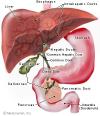
Gallstones are rocklike nuisances that can form inside the gallbladder. The gallbladder is a pouch that collects bile as it flows from the liver to the intestine through the bile ducts. Bile is a fluid that is made, in part, to help with digestion. The salts in bile make it easier for you to digest fat. However, bile also contains some waste products including cholesterol and bilirubin (created when old red blood cells are destroyed). Gallstones form in the gallbladder when cholesterol or bilirubin particles begin to cluster together into a solid lump. The stone grows in size as the bile fluid washes over it, much like a pearl forms inside an oyster.

Most of the time, gallstones do not cause any symptoms or problems. Small gallstones can leave the gallbladder and pass out of the body through the intestines. However, gallstones can cause symptoms if they become caught in the narrow outlet of the gallbladder. After meals, especially meals high in fat, a muscle in the wall of the gallbladder squeezes to help empty bile into the intestines. If this muscle squeezes against a gallstone, or if a gallstone blocks the draining fluid, the gallbladder can ache with a strong, steady pain. More serious problems can develop if a gallstone gets into the drainage-duct system but does not make it all the way through to the intestines. In this case, the stone can cause a buildup of bile as well as infection in the gallbladder or liver or inflammation of the nearby pancreas.

Gallstones are very common. They occur in one out of five women by age 60, and they are half as common in men. Gallstones occur more commonly in older people and in people who are overweight or who lose weight suddenly. They also occur more frequently in women who have been exposed to higher amounts of the hormone estrogen over their lifetime by having multiple pregnancies, by taking birth control pills, or by taking hormone replacement after menopause.

Kamis, 19 Oktober 2006

Preventing Breast Cancer Recurrence?

Preventing Breast Cancer Recurrence?Is it safe to take turmeric after a lumpectomy and radiation treatments? Would it be helpful to ward off any cancer cells that may still be in my body?
Turmeric (Curcuma longa) is the yellow spice most familiar in Indian cooking and American-prepared mustard. Not only do I think that it is safe to take after breast cancer treatment, I think it would be helpful. The reason is that turmeric affects hormones that promote inflammation and cell proliferation, processes that seem to underlie most cancers.
Turmeric is being studied widely for its powerful anti-cancer effects. However, women being treated for breast cancer may be advised to avoid it during chemotherapy because of evidence from laboratory and animal studies suggesting that it may inhibit the action of certain chemotherapy drugs.
The potential benefits of taking an anti-inflammatory for cancer prevention emerged from analysis of data from the Women's Health Initiative, a large National Institutes of Health study, which recently showed that long term use of non-steroidal anti-inflammatory drugs (NSAIDS) such as ibuprofen or aspirin reduced the risk of breast cancer, in some cases by as much as half. Although results of a smaller study have not confirmed those findings, the results were intriguing enough to spur scientists to call for more research. In the meantime, I wouldn't recommend taking NSAIDS regularly for breast cancer protection because they can cause gastrointestinal problems and blood thinning as well as damage to the liver and kidneys. However, I would suggest taking a natural anti-inflammatory. I often recommend New Chapter's Turmericforce; take one capsule twice a day. You can also safely add ginger, another natural anti-inflammatory, to your diet by eating crystallized ginger or the pickled ginger that comes with sushi.
Andrew Weil, M.D.

Walking Away from Breast Cancer?

Walking Away from Breast Cancer?I heard that exercise and weight loss can protect against breast cancer. If this is true, how much exercise is necessary? What kind? What about weight loss?
Exercise can protect against breast cancer, but until recently, we thought that it mostly helped lower the risk of the disease among women who did strenuous physical activities when they were young. In September of 2003 the Journal of the American Medical Association published results of a study involving more than 74,000 women followed for nearly five years showing that even those who don't begin exercising until later in life can lower their risk by 20 percent, and that a brisk, half hour walk five days a week will do the trick. The exercise effect was seen among women at all levels of risk, even those with a strong family history of breast cancer, those who hadn't had children (a long-recognized risk factor), and those who had taken hormone replacement therapy.
The same study found that the more you exercise and the slimmer you are, the greater the risk reduction. For example, the researchers found that women of low to normal weight and even those who were slightly overweight were able to cut their risk by more than 30 percent if they devoted 10 hours a week to exercise.
The researchers suggested that exercise influences breast cancer susceptibility by lowering body fat, which in turn reduces levels of circulating sex hormones. Another study, published in the August 20, 2003 issue of the Journal of the National Cancer Institute, found that obese, postmenopausal women were at higher-than-normal risk of breast cancer because their fat cells release too much estrogen. The more the women in the study weighed, the higher their risk of breast cancer and the higher their levels of the hormone estradiol, a potent form of estrogen.
Some breast cancer risks can't be controlled: about 10 percent of all cases are hereditary, and getting older also increases the risk. But these studies show women what they can do to improve the odds.
Andrew Weil, M.D.

Finding Breast Cancer Early?

Finding Breast Cancer Early?
With all the controversy about mammograms and breast self-exams, I'm very confused about what women are supposed to do these days. Have mammograms or not? Do self-examinations or not? Can you clarify?
It's easy to get confused when studies cast doubt on the usefulness of self-examination and on whether or not regular mammograms really do save lives. In 2003, in an attempt to address some of the questions women had, the American Cancer Society (ACS) updated its recommendations and, for the first time, included special suggestions for women at high risk and older women.
In a big change, the ACS no longer recommends monthly breast self-examination (BSE) for all women starting at the age of 20. Instead, the recommendations state that all women should be told about the benefits and limitations of BSE when they're in their twenties so they can decide whether or not to do it. Two large studies, one in China and one in Russia, found that breast self-exams don't reduce breast cancer deaths. In addition, women participating in both studies who examined their breasts had higher rates of biopsies for benign disorders than those who didn't do BSE.
While it may be acceptable to skip BSE, I believe that all women should be familiar with the way their breasts normally feel so that they can recognize any changes that may develop. The ACS did not change its recommendation that women ages 20 to 39 should have a breast exam by a physician every three years or that women age 40 and older have an annual breast exam by a physician.
As for mammograms, the ACS continues to recommend that beginning at age 40 all women have them annually. In the past, however, no specific recommendation was included for older women. However, evidence from a study reported in the November
19, 2002 issue of the Annals of Internal Medicine showed for the first time that mammograms benefit women over the age of 75. The ACS now recommends that older women continue having annual mammograms, as long as they don't have any serious, chronic health problems.
As for women at high risk (because of family or personal history of breast cancer), the ACS recommended discussing beginning mammograms earlier, having more frequent clinical exams by one's physician, or having additional tests such as breast ultrasound or magnetic resonance imaging (MRI). Noninvasive imaging technologies are beginning to become available with the hope of detecting cancers earlier; however, this research is in its infancy and mammography remains our best screening tool for now.
Andrew Weil, M.D.

Banishing Breast Cancer?

Banishing Breast Cancer?
I was treated for breast cancer five years ago and have been taking Tamoxifen ever since. I'm supposed to stop now. What can I do to prevent a recurrence?

Tamoxifen is an oral drug that blocks the effects of estrogen, the hormone that promotes growth of some breast cancer cells. It can help prevent recurrences of estrogen-receptor-positive breast tumors and is usually prescribed for five years after the primary treatment. Oncologists see no benefit to taking Tamoxifen for more than five years, both because patients are then past the time of highest risk for recurrence and because Tamoxifen can become less effective after an extended period of use, and yet half of breast cancer recurrences occur five or more years after diagnosis.

Results of a clinical trial involving 5,187 women in the United States, Canada and Europe show that another drug, letrozole (trade name FemaraTM), can nearly halve the risk of breast cancer recurrence among postmenopausal women with estrogen-receptor-positive tumors. The results were so dramatic that investigators halted the trial so that they could offer letrozole to women taking a placebo. The study results were announced on October 9, 2003 and published in the November 6, 2003 issue of The New England Journal of Medicine.

Letrozole works by blocking an enzyme (aromatase) that converts hormones from the adrenal gland to estrogen. The effect is to reduce blood levels of estrogen by more than 95 percent. Side effects include hot flashes, night sweats, sore muscles and an increased risk of osteoporosis. A separate sub-study is trying to determine the exact long-term effects of Femara on bone density. There is also concern that this drug might raise cholesterol levels over time.

Cancer experts still don't know how long women should take letrozole and whether doctors should recommend it to all women who have been on Tamoxifen. The current consensus seems to be that women just finishing their five years on Tamoxifen should consider taking letrozole.
You also can try to lower your estrogen levels, and thus your risk of breast cancer recurrence, by losing excess fat if you're overweight, getting regular exercise, reducing or eliminating consumption of alcohol, and eating only hormone-free beef and dairy products (if you eat those foods). Adding soy foods to your diet can also help. Make sure you eat plenty of fresh fruits and vegetables and fish or flaxseed to get omega-3 fatty acids, and consider supplementing with CoQ10, which may be beneficial.

Andrew Weil, M.D.

Senin, 09 Oktober 2006

Depression May Help Spur Mental Decline

(HealthDay News) -- Depression may speed age-linked cognitive decline, researchers report.

Researchers at the San Francisco VA Medical Center and the University of California, San Francisco found that depressed seniors are more likely to develop mild cognitive impairment within six years than those who are depression-free.

The more severe the depression, the greater the risk of the mental decline, according to the study, which appears in the March issue of the journal Archives of General Psychiatry.

The study included 2,220 people 65 and older. At the start of this study, participants were checked for symptoms of depression. Six years later, they were assessed for cognitive impairment.

The researchers found that close to 20 percent of those with moderate to high depression at the start of the study had developed cognitive impairment after six years, compared to just over 13 percent of those who had mild depressive symptoms and 10 percent of those who had no symptoms of depression.

"This is important, because mild cognitive impairment often precedes dementia," study lead author Deborah Barnes, a mental health researcher at SFVAMC, said in a prepared statement.
She said family members and health providers should pay attention when an older adult shows signs of depression.

"Even if they don't have cognitive impairment at that time, our study suggests that you probably want to keep an eye on them. Depression might be an early sign of neurodegeneration -- in fact, it might be the first symptom that a family member notices," Barnes said.

The study also found no correlation between depression and vascular disease. The authors said this was a significant finding because other researchers have suggested that vascular disease may cause inadequate blood flow to different areas of the brain, resulting in depression and cognitive impairment.

"We found no evidence to support that hypothesis," Barnes said.

More information
The American College of Physicians has more about Depression.

Younger Women Prone to Depression After Heart Attack

(HealthDay News) -- While an episode of depression after a heart attack is fairly common, new research shows that women aged 60 and younger are far more likely to suffer from it than others.

The finding is important because people who struggle with depression after a heart attack are more likely to be hospitalized and die from cardiac problems, and have higher health-care costs, compared with heart-attack patients who don't become depressed. Identifying depressed heart patients might help doctors better treat them, the researchers said.

"Depression is common among patients with heart attacks," said study author Dr. Susmita Mallik, an assistant professor of medicine at Emory University School of Medicine. "About 22 percent of all heart-attack patients are depressed."

However, younger women are more likely to be depressed than older patients, Mallik said. "Younger women were at the highest risk of depression. The prevalence of depression was 40 percent in women 60 years and younger," she said.

The findings appear in the April 24 issue of the Archives of Internal Medicine.

For the study, Mallik and her colleagues looked at depression in 2,498 men and women who had suffered a heart attack between January 2003 and June 2004.

"We found that the prevalence of depression was 40 percent in women age 60 years or younger, 21 percent in women older than 60, 22 percent in men 60 or younger and 15 percent in men older than 60," Mallik said.

What's more, when the researchers looked at other factors, including race, medical history and coronary heart disease risk, the odds of depression were 3.1 times higher for women age 60 and younger than for men older than 60.

It's not clear why younger women are at such a high risk for depression after a heart attack, Mallik said.

"Not all patients become depressed after having a heart attack," Mallik said. "Depression should not be considered a normal reaction after a heart attack. Clinicians and patients should be aware that depression is an important risk factor for adverse outcomes after a heart attack."

Mallik believes doctors should be looking for depression among heart attack patients, particularly younger women. "They should be aware that younger women are at the highest risk for depression, and screening for depression should be particularly aggressive in these women," she said.

Dr. Nieca Goldberg, chief of women's cardiac care at Lenox Hill Hospital in New York City, thinks women need to be more open with their doctor about their emotions after a heart attack.
"This paper is important, because it underscores the importance of evaluating the psychological issues that often accompany a heart attack," she said.

Goldberg thinks younger women are more susceptible to depression because a heart attack is such a major event, especially at a younger age. "It's a life-changing, stressful event," she said. "It's a shocking experience. There are concerns among women whether they are going to be able to get back and take care of their families and return to their usual life."

Goldberg also noted the well-documented connection between the mind and the heart. "Clearly, depression does influence recurrent heart disease and is related to someone's social support," she said.

It's important for women to have a good support network after suffering a heart attack, Goldberg said. "Women need to be able to share their emotional feelings after a heart attack," she said. "Doctors have to be more careful to pick up depression."

More information
The American Academy of Family Physicians can tell you more about depression after a heart attack.

Feeling Stressed?

(HealthDay News) -- You just missed a deadline at work, you're supposed to chaperone your son's school field trip, and your mechanic called to tell you your car's transmission is shot.
Stressed to the max?

Everyone experiences stress. And many people are stressed every day. But, stress isn't always as obvious as in the example above. In fact, some people don't even realize how much stress they're under until they suffer serious physical consequences of that stress.


Psychologist Anie Kalayjian, professor of psychology at Fordham University, said she's had patients end up in the emergency room, convinced they were having a heart attack, but instead, it was just the body's extreme response to stress.


"If you're a person running around with high energy or nervous energy, you may not realize that you're stressed until you collapse!" said Kalayjian.


According to the American Academy of Family Physicians, some possible signs that you're under too much stress are: Anxiety, back pain, stiff neck, depression, fatigue, trouble sleeping, unexpected weight changes, headaches, relationship troubles and high blood pressure.


"People need to start proactively trying to prevent episodes before they have extreme reactions," recommended Kalayjian.


But that doesn't mean you should make managing stress just another item on your "to-do" list, cautioned Gail Elliott Evo, the integrative medicine coordinator at Beaumont Hospital in Royal Oak, Mich.


"We talk so much about stress now. It's to the point that people are now feeling judgmental when they experience stress and can't eliminate it. But, unless you're a guru sitting in a temple in Tibet, I don't think you can avoid stress. There will be periods where you'll have stress," she said.


Still, managing stress or reducing it as much as you can is a smart idea, because constant stress leaves your body flooded with stress hormones, which can increase your risk of heart attack and other serious health problems.


"Stress causes physical and psychological reactions. It can alter your sleep. It leaves you constantly in fighting-mode and leaves your immune system suppressed. You may get sick a lot," Kalayjian said.


There's no one-size-fits-all approach when it comes to managing stress.


"Some things will be right for one person but not for another. Be open, and try things. Give something a try, and if it's not right for you, move on to something else. You'll eventually find something that's right for you," said Evo.


Some of the approaches she recommends include: Massage, healing touch, yoga, tai chi, walking, meditation and guided imagery.


Kalayjian said a good place to start de-stressing is with deep breathing.


"One minute per each hour of the day, you need to sit and do nothing but focus on breathing. No phones, no lists, no responsibilities. It's almost like how you recharge your battery for your mobile phone. We need to recharge, too," she said.


She also recommends exercise. "Don't wait to feel stressed. Get at least a half an hour of exercise every day. It gets a lot of the toxins and stress out of our bodies," Kalayjian said.
Kalayjian also advocates something she calls "journaling."


"It helps to put things on paper and outside of yourself. You don't have to store it in your heart, body or mind. When we journal, we let go of things and that acts as a release," she said.


She also suggests getting organized. "Many people waste 20 percent of their time looking for things. Try to be organized. Label things. Have organizers. It seems very mundane, but helps tremendously in saving your energy," Kalayjian said.


Evo said many people use a combination of techniques to relieve their stress.
"Be playful with it. Try different things," she said.


Kalayjian agreed, adding that people need to "learn how to have a sense of humor, to laugh and make others laugh, too."


Finally, Kalayjian advised that if you try several different methods to "de-stress" and just can't seem to relax, you could probably benefit from seeing a psychotherapist.


More information
The National Mental Health Association offers tips on coping with stress.

'Coaching' Care Can Help Cut Medical Costs

(HealthDay News) -- "Health-care transition coaches," who encourage people to take a more active role in maintaining their health can help reduce patients' hospital bills and rates of re-hospitalization, according to a University of Colorado at Denver and Health Sciences Center study.
The program is designed for patients who require treatment in multiple sites of care.
The "transition coach" works with patients on four main areas: medication self-management; the creation of a personal health record maintained by the patient; obtaining timely follow-up care; and developing a plan to seek care if certain symptoms appear.
The coach keeps in contact with patients across different health-care settings in the first 30 days after they're discharged from the hospital.
The program was created to solve problems -- such as conflicting medical advice, medication errors and lack of follow-up -- that often affect patients during periods of transition between sites of care.
For every 350 patients who receive the Care Transitions Intervention, hospital costs will be reduced by about $300,000, according to the study authors. They noted this approach may be especially beneficial when dealing with older patients with complex care needs.
The study found the intervention yielded immediate results and also gave patients skills that had long-term positive effects.
"We were excited to see the significant reduction in hospital readmission during the first 30 days while the coach was involved. What was even more exciting, however, was the finding that these patients were significantly more likely to stay out of the hospital up to six months later," researcher Dr. Eric Coleman said in a prepared statement.
The study was published in a recnet issue of the Archives of Internal Medicine.
More information
The U.S. Agency for Healthcare Research and Quality offers
health-care advice to patients.

Selasa, 03 Oktober 2006

Infant Snoring Tied to Parental Snoring

(HealthDay News) -- Infant children of parents who are habitual snorers are themselves at increased risk for frequent snoring, a new study reveals.

The study also found that young children diagnosed with atopy -- a tendency to develop allergies and asthma -- are also prone to frequent snoring.

And African-American children are at elevated risk for chronic snoring, the researchers said.
The findings are important, the researchers said, because so-called "sleep-disordered breathing" among children has been previously associated with the development of learning disabilities, heart disease, and metabolic disorders.

"Early intervention can reduce morbidity due to sleep-disordered breathing," said study lead author Dr. Maninder Kalra, an assistant professor of pediatrics at Cincinnati Children's Hospital Medical Center.

Kalra and his colleagues noted that the American Academy of Pediatrics already recommends that all children be screened for obstructive sleep-disordered breathing.

Whether it occurs in children or adults, snoring is tied to the dynamics at the back of the mouth and nose, where airflow can become disrupted, according to the American Academy of Otolaryngology-Head and Neck Surgery (AAOHNS). The snoring noise is produced when the throat and tongue vibrate against portions of the roof of the mouth, such as the palate and uvula.

Nasal allergies, infections, structural irregularities and problems related to the tonsils and adenoids -- the infection-fighting spongy tissue above the mouth roof -- are also linked to the onset of snoring.

Surgical, laser and radio-wave treatments for patients of all ages can offer some relief to chronic snorers, by clearing obstructions and tightening loose throat tissue. Nasal masks designed to increase air pressure can also help.

For less-serious adult cases, physicians suggest a range of lifestyle changes, such as adhering to routine sleep patterns, weight loss, sleeping on one's side, and avoiding alcohol and sleeping medications before turning in.

The new infant-risk findings were based on tallies of the incidence of snoring among 681 children living in the Cincinnati area. All the infants were born to parents who were themselves diagnosed as atopic. The average age of the children -- 80 percent of whom were white, and 55 percent of whom were boys -- was just over 1 year.

Habitual snoring was defined as snoring three or more times a week. The parents completed questionnaires to identify any relationship between infant snoring and parental snoring, infant atopic status, and infant exposure to parental smoking.

Blood tests were also done to assess infant allergies, including those related to grass pollens, ragweed, various trees, dust mites, penicillin, cockroaches, cats, and dogs.

Reporting in the April issue of the journal Chest, the study authors noted that among the parents, 20 percent of the mothers and 46 percent of the fathers were found to be habitual snorers. According to the AAOHNS, an estimated 25 percent of adults snore regularly, while 45 percent snore on occasion. The phenomenon commonly affects men more often than women.

Among the children, those infants with at least one parent who was a habitual snorer were almost three times as likely to snore frequently than those with no parental history of snoring.
Children who tested positive for atopy were found to be nearly twice as likely to be habitual snorers as non-atopic children.

African-American children also appeared to have a higher risk for snoring -- they were almost three times as likely to be habitual snorers.

No association was found, however, between infant snoring and exposure to parental smoking.
"We found that frequent snoring at age 1 is as prevalent as that reported in school-age children," Kalra said. "Parents who snore should be aware that their children are at increased risk for frequent snoring."

So are children with a history of allergies, Kalra said, adding that an estimated 40 million children in the western world suffer from allergies.

One expert said the findings should further the study of sleep apnea, where individuals suffer multiple interruptions in breathing during sleep.

"First, it adds to the growing body of literature for the potential genetic factures that may underline sleep apnea," said Mark S. Aloia, an assistant professor in the department of psychiatry and human behavior at Brown Medical School in Providence, R.I. "I can't think of any other studies that have identified a familial pattern as this one does. And it also serves an important role for identifying potential risk factors for a disorder that's often under-diagnosed and under-treated," he added.

A second study in the April issue of Chest found that women with a higher body mass index (BMI, a ratio of weight to height) appear more likely to be habitual snorers.

The Swedish study, which surveyed more than 6,800 women, also found that snoring was most common among women between the ages of 50 and 59.

More information
For more on snoring, visit the American Academy of Otolaryngology-Head and Neck Surgery.

Health Tip: Recognizing Signs of ADHD

(HealthDay News) -- Attention-deficit hyperactivity disorder (ADHD) often is diagnosed in childhood but may well continue into adulthood.
The condition impacts areas of the brain that control one's ability to pay attention.

Symptoms of ADHD vary greatly, but typically include difficulty focusing on a particular task or paying attention. Forgetting directions, an inability to follow through with instructions, losing things, forgetting to complete tasks, or difficulty with organization also are common warning signs.

If you notice these symptoms in yourself or your child, contact your doctor. If ADHD is diagnosed, there are a number of medications to help alleviate symptoms. Also, many schools offer programs to help children with ADHD learn to how better focus and pay attention.

Lead Exposure Tied to ADHD Symptoms

(HealthDay News) -- It's known that lead exposure poses serious health risks, including cognitive function problems.

But new research suggests that certain children are more likely to develop attention-deficit hyperactivity disorder (ADHD) when exposed to lead in their environment.


The study found that youngsters with a specific genetic variation in a dopamine receptor, dubbed DRD4-7, had more problems with tasks that required attention and flexibility. The researchers also found that boys exposed to lead were at greater risk of attention problems than girls.

"Lead exposure leads to problems with attention and executive function. And certain kids are going to be more affected by the adverse effects of lead," said study author Dr. Tanya Froehlich, a developmental, behavioral and pediatric specialist at Cincinnati Children's Hospital Medical Center.

Froehlich was expected to present the findings Monday at the Pediatric Academic Societies annual meeting, in San Francisco.
An estimated 3 percent to 5 percent of American children -- 2 million -- have ADHD. Symptoms include the inability to pay attention, hyperactivity and impulsive behavior. The exact cause of ADHD isn't known, but there are numerous theories as to what contributes to its development.
Environmental factors, such as lead exposure, have long been suspected of being a contributing factor, according to the National Institute of Mental Health.

Since lead exposure can contribute to problems with attention and executive function -- the ability to plan and organize behavior -- and people with ADHD also have problems with attention and executive function, the researchers thought there might be some genetic connection.

So, they looked at the dopamine receptor gene DRD4, because it had been previously associated with children with ADHD, Froehlich said.

In a group of 172 boys and girls, the researchers looked at the DRD4 gene and tested the children for lead at 60 months of age. Then at 66 months, the children were given ADHD tests.
Eight percent of the children were diagnosed with ADHD, but about one-quarter of the children showed symptoms of ADHD.

The researchers found two types of DRD4 variations -- a low-risk and a high-risk one. Children with the high-risk variation were more likely to have ADHD symptoms, such as problems with spatial working memory (the ability to keep information in mind while performing a complex task) and "attentional flexibility" (the ability to change when you get new information or encounter an obstacle). Exposure to lead didn't seem to increase the symptoms in this group, however.

But in the low-risk group, whose members were less likely to have attention problems to start with, lead exposure significantly impaired their spatial working memory and attentional flexibility, the study found.

"In an environment contaminated with lead, a genetic variation that was protective becomes disadvantageous," Froehlich said.

The researchers also found that boys were more likely to suffer from lead's adverse effects. And, Froehlich noted, boys have higher rates of ADHD. "This could be one of the reasons why," she said.

Dr. Karen Ballaban-Gil, a pediatric neurologist at Montefiore Medical Center in New York City, said, "Lead exposure may have more cognitive consequences in a susceptible subset of the population."

"Parents need to be very vigilant about looking for homes that are free of lead. And it's not just houses -- lead can be in toys or ceramics, especially those bought outside of the U.S.," she said, adding that simple lead tests are available in stores.

"The most important thing is to prevent lead exposure in the first place," Froehlich said.

More information
To learn more about the effects of lead and steps you can take to minimize exposure, visit the U.S. Environmental Protection Agency.

ADHD Drugs Can Stunt Growth

(HealthDay News) -- A new review of past studies on the effect that attention-deficit hyperactivity disorder (ADHD) drugs have on children's growth concludes that the drugs do, in fact, suppress growth to some degree.

While the effect found was statistically significant, one of the study's authors, Dr. Omar Khwaja, an instructor in neurology at Children's Hospital Boston, said the average growth suppression for a 10-year-old boy was probably about three-quarters of an inch in height and a little more than two pounds in weight.

"Parents need to know that when children are on stimulant treatment, although they're probably the best way of treating ADHD, there's a possibility of growth restriction," Khwaja said. "Their physicians need to pay attention and monitor growth in these children, and if it falls off of what is expected, think about lowering the dose or changing the dosing schedule."

Results of the study were presented Monday at the Pediatric Academic Societies annual meeting, in San Francisco.

It's estimated that as many as 5 percent of American children have ADHD, according to the National Institute of Mental Health. The main symptoms are an inability to pay attention, hyperactive behavior and impulsivity. The standard treatment is with stimulant medications, such as Ritalin and Adderall. It seems counterintuitive, but these medications have a calming effect on children with ADHD and help them focus.

However, as with any medication, there's a potential for side effects. One suspected side effect is the suppression of appetite, which is believed to have an effect on a child's weight and possibly height. Dr. David W. Goodman, an assistant professor in the department of psychiatry and behavioral sciences at Johns Hopkins University School of Medicine, said the issue of whether these medications contribute to growth suppression has been debated for 35 years.

To try to settle this debate, Khwaja and his colleagues reviewed the literature, looking for studies on ADHD medications and their side effects. They found 22 studies that they considered to have valid, quality methodology.

They pooled the data from these studies and found there was, indeed, an effect on height and weight while children were taking these drugs.

"There was a significant effect on growth for both height and weight during the duration of treatment," Khwaja said.

What can't be gauged from this study, he said, is if those changes are lasting or if the children catch up when they go off the medications, or if they catch up as they get older.

Goodman said other studies have shown a height suppression of about a half inch, and that, in the long-term, children do catch up.

He said one limitation of the new analysis was that it didn't break down the data for short-term and long-term growth suppression.

What parents need to consider, Goodman said, "Is the quality of life improvement great enough to assume the possible risk of slight growth suppression? For most, it's my impression that parents and kids would accept that risk."

"These medications are remarkably helpful," he continued. "Let's put this risk in context with the tremendous benefits that can be gained. For parents that are reluctant to put children and adolescents on medications, I suggest a trial of a couple of weeks or months. You don't have to make a commitment to medication. For most, once they go on the medications, the improvement is so dramatic, they rarely go off."

Both Goodman and Khwaja said changing the timing of administering the medication might make a difference in growth suppression. Goodman said giving the medication after a meal might help offset appetite suppression. And Khwaja said some people just give their children medication when they must be able to focus and sit still, such as during school.

"Limiting the time they're taking medications might cause less of an effect."

Khwaja added that he believes more study needs to be done on this topic, and a prospective trial should be performed to look at the long-term effects these drugs have on children's growth.

More information
The American Academy of Pediatrics offers advice on starting an ADHD treatment plan for your child.
Related Posts Plugin for WordPress, Blogger...