Senin, 30 Oktober 2006

Better Treatment for HIV/AIDS?

Q: Better Treatment for HIV/AIDS?
Is there any new information with regard to diet or herbal treatments for those with HIV/AIDS that might allow discontinuation of the "cocktail" medication?

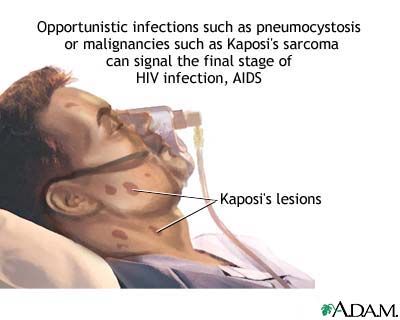
A: First of all, let me assure you that no herbal or dietary approach exists to replace treatment of HIV/AIDS with the highly effective "cocktail" of protease inhibitors and antiviral drugs. These medications reduce the amount of the HIV virus in the body, preventing development of full-blown AIDS and extending life expectancy.

I would never advise a person with HIV/AIDS against using the "cocktail." The major disadvantage of this treatment is the number of pills involved, but this inconvenience is a small price to pay for a treatment that protects against a deadly disease. Unfortunately, the expense of the treatment means that millions of people in third-world countries where HIV/AIDS is rampant don't have access to these life-saving drugs.

We urgently need programs to make the cocktail more widely available and affordable. Beyond that, we need an effective vaccine to stem the still-escalating AIDS epidemic. Some 40 million people worldwide are living with HIV/AIDS, nearly one million of them in the United States. More than 40,000 people become infected with HIV in this country every year, and the spread of the disease continues unabated elsewhere. Reportedly, the disease is out of control in Russia with one out of every 100 adults infected. In India, 4.5 million people are infected - so many that World Health Organization authorities say that India may have overtaken South Africa as the most infected country.

Unfortunately, we don't yet have a vaccine, but that's not for lack of trying: a total of 30 vaccines are in human trials in 19 countries. The biggest obstacle investigators face is the ability of HIV to change its shape, frustrating efforts to find a vaccine that stops it from replicating.
To complement treatment with the HIV/AIDS cocktail of drugs, I recommend using a mixture of medicinal mushrooms with antiviral, immune-enhancing effects, as in the product called Host Defense from New Chapter.

If you're taking the HIV/AIDS cocktail, be cautious about the use of two herbal remedies. Studies at the National Institute of Allergy and Infectious Diseases found that taking garlic supplements twice a day for three weeks reduced blood levels of the anti-HIV drug saquinavir by approximately 50 percent. The same team found that St. John's wort can reduce concentrations in the blood of the protease inhibitor indinavir.

Andrew Weil, M.D.

Yohimbe: Restoring Sexual Potency?

Q: Yohimbe: Restoring Sexual Potency?
What do you think of yohimbe or other natural supplements for Erectile dysfunction as an alternative to Viagra?

A: Yohimbe is an herbal remedy that comes from the bark of an African tree, Pausinystalia yohimbe. Before Viagra, drugs containing yohimbine hydrochloride, the active ingredient in yohimbe bark extract, were used to treat erectile dysfunction (ED). However, levels of yohimbine in yohimbe bark extract vary considerably and are often very low.

Yohimbe bark extract, by itself, never has been shown to work as effectively as drugs containing yohimbine hydrochloride. What's more, yohimbe can have serious side effects including paralysis, fatigue, stomach disorders, even death. I don't recommend it, and harvesting of its bark is driving the yohimbe species to extinction.

Viagra and related drugs are the most effective treatments for ED by far, but you can try the following non-drug approaches if you wish:

Stop smoking. Nicotine can reduce genital blood flow and impair potency.
Check your meds. ED is an unfortunate side effect of many drugs. Ask your physician or pharmacist about alternatives.

See your physician. A general medical examination should be done to rule out physical causes as well as any signs of vascular, hormonal or neurological disorder.
Limit alcohol consumption. Alcohol's depressive effects can have a negative impact on sexual functioning.

Shape up. ED is often linked with restricted blood flow to the penis. Keep your heart and arteries in good condition by maintaining a healthy weight, and following a diet high in fruits, vegetables and whole grains. Avoid saturated fats and trans-fats. Regular aerobic exercise can improve blood flow to the genitals and reduce the stress that can contribute to ED.

Deal with anxiety, depression and stress that may undermine desire and potency. Try breath work, meditation or yoga to reduce stress. Be open and honest with your partner about your mutual needs to help ease any tension or misunderstandings.
Don't worry about your age. Discard the myth that sexual activity ends with age.

In addition to the measures above, the following supplements may help:
Arginine, an amino acid used by the body to make nitric oxide, a substance that relaxes blood vessels to help increase blood flow to the penis. Arginine appears to be safe at lower doses however, there is some concern about its increasing stomach acid and potassium levels when taken at higher doses, and recent evidence suggests it may have negative effects in people with existing heart problems. Individuals with a history of stomach problems, cardiac problems or who are on medicines for high blood pressure should use this with caution.
Ginkgo biloba, which may help by increasing blood flow to the genitals. The usual dose is 120 milligrams a day, in divided doses with food.

Ashwaganda, an Ayurvedic herbal remedy reputed to act as a mild aphrodisiac, or Asian ginseng (Panax ginseng), a good stimulant and sexual energizer. For either, follow the dosage on the package, and give it six or eight weeks to have an effect. Both ashwaganda and Asian ginseng are generally safe (but Asian ginseng can raise blood pressure and cause irritability and insomnia in some people).

Andrew Weil, M.D.

Allergic to Latex Condoms?

Q: Allergic to Latex Condoms?Is it possible to be allergic to condoms?

A: You can have an allergic reaction to condom use. The cause is a protein in the latex used to make condoms. Allergies to latex condoms occur in both men and women. Symptoms include a hives-like rash and itching, dryness and, sometimes, shortness of breath, welts, and eczema. Latex allergy can also lead to life-threatening anaphylactic shock.

Latex allergies are most common among health care workers who may have almost continuous exposure due to wearing latex gloves and working with items such as urinary catheters and syringes. You're more prone to a latex allergy if you have other allergies. Overall, estimates of the prevalence of these reactions range from less than one percent to six percent of the U.S. population. People who are allergic to latex also may be sensitive to foods that contain similar proteins: bananas, avocados, chestnuts, kiwi fruit, and tomatoes.

If you are affected, you can opt for polyurethane condoms, which protect against pregnancy just as well. Polyurethane is thin and strong and effectively conducts body heat and, according to some reports, is more compatible with sexual pleasure than latex. However, the polyurethane products have higher breakage rates than latex condoms and therefore may not be as effective in preventing transmission of HIV and other sexually transmitted infections.

Condoms made of lambskin are available, as well, but are too porous to prevent transmission of disease.
Women who believe themselves allergic to latex condoms used by their partners should make sure that they are not reacting to either the spermicide or a lubricant. You can do this by changing brands of condoms or lubricants or by wearing a latex glove to see if any irritation develops. Other forms of birth control are available to women - birth control pills, a latex-free barrier method called the FemCap, or IUD's - but, excepting abstinence, condoms are still the most effective way to prevent sexual transmission of HIV and other diseases.
Andrew Weil, M.D.
Related Posts Plugin for WordPress, Blogger...